This article explores the journey of organizing vast amounts of information using the CODE method—Capture, Organize, Distill, Express—to build a Pokémon vending machine business and develop a personal second brain. It highlights practical strategies, tools like Google Drive, Notion, AI assistants, and the PARA system, demonstrating how structured organization enhances productivity and creativity.
Organizing information is a critical skill in today's fast-paced world, especially when managing complex projects or businesses. This article delves into a real-life journey of building a Pokémon vending machine business from scratch and developing a personal knowledge management system using the CODE method: Capture, Organize, Distill, and Express.
Initially, the challenge was daunting. With no clear starting point, the first day involved gathering building blocks for the business within a tight timeframe. Despite facing difficulties with focus and distractions, over 180 sources including LinkedIn, Reddit, and Amazon were researched to understand the market.
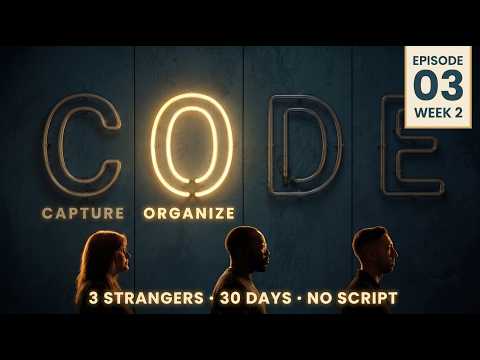
The core framework used to manage the information was the CODE method:
By day eight, a Google Drive folder was created to house the 30-day Pokémon launch project. The information was categorized based on the CODE framework. Consulting calls provided insights into top-selling products and locations for vending machines in Dallas and Fort Worth.
Supplier contacts were meticulously organized, including Japanese, English, Chinese, and Korean suppliers. For example, direct purchase links and contact details were saved for quick ordering.
Outreach efforts were supported by creating a CRM system to manage contacts such as grocery store owners in Kansas City. Tools like Apollo.io were used to find key decision-makers and their contact information, which was then organized by company, role, and contact details.
Two contrasting organizational styles emerged:
The PARA system was implemented in Notion, with databases for projects (time-bound tasks), areas (ongoing responsibilities like family and health), resources (useful materials not yet projects), and archives.
The second brain concept involved categorizing assets into materials (external resources), notes (created content), tasks (actions to keep projects moving), and standard operating procedures (SOPs) for recurring tasks.
An example SOP was created for resetting a home heater, complete with step-by-step instructions and photos, ensuring future ease of reference.
An AI assistant agent was introduced to scan calendars, notes, and tasks, helping to write, save, and reorganize information within the second brain. This AI could also connect materials to specific projects, such as an AI workshop.
The AI's ability to provide insights and manage resources demonstrated the potential for business transformation through automation.
The process included importing past presentations, videos, blog posts, and newsletters into the second brain to create a comprehensive resource pool. This integration helped avoid starting from scratch when writing or creating new content.
A daily note system was used as a productivity driver, allowing the user to track mood, energy, and focus areas, guiding the day's activities effectively.
Researching and organizing contacts for outreach was a key activity. For example, identifying senior executives at grocery store chains in Kansas City and adding their contact details to the CRM enabled targeted communication.
After weeks of capturing and organizing, the hardest part began: deciding what information to keep and what to discard. Distillation involved summarizing notes and refining the content to prepare for expression, such as writing a manuscript or creating workshops.
This journey illustrates the power of structured information management using the CODE method and tools like Google Drive, Notion, AI assistants, and CRM systems. Whether building a business or managing personal knowledge, effective organization enhances focus, productivity, and creativity, enabling one to move from chaos to clarity and action.
The key takeaway is that there is no single right way to organize information; instead, it is about finding a system that works for you and continuously refining it to support your goals and workflow.