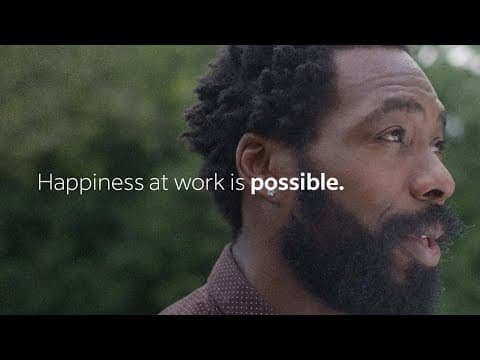
The Great Resignation has prompted individuals to reevaluate their work-life balance, leading to a demand for remote work and greater flexibility in the workplace. This shift emphasizes the importance of personal well-being and humanity in job roles.
The COVID-19 pandemic has significantly altered the landscape of work and personal life, leading many individuals to reassess their priorities. This phenomenon, often referred to as the Great Resignation, has sparked a movement towards greater personal well-being and flexibility in the workplace.
For many, the pandemic served as a catalyst for introspection. One individual shared how the experience made them realize that they are in control of their life decisions. This newfound clarity prompted a desire to move away from jobs that did not prioritize well-being. The time spent in reflection allowed them to reconnect with their personal goals and aspirations, not just for themselves but also for their families.
As people have taken the time to reflect, there has been a noticeable shift in what employees are willing to tolerate in their jobs. The bar for acceptable work conditions has lowered, with many individuals seeking environments that respect their personal lives and responsibilities. This change highlights a growing awareness of the need for balance between work and personal commitments.
One of the most significant changes stemming from the Great Resignation is the widespread acceptance of remote work. This shift has allowed individuals to enjoy their lives more fully while still engaging with their professional responsibilities. Remote work has not only reduced burnout but has also provided employees with the flexibility to manage their personal and family needs more effectively.
The overarching theme emerging from these changes is the need for humanity in the workplace. Employees are not just workers; they are individuals with families, responsibilities, and lives outside of their jobs. There is a growing demand for employers to recognize this humanity and to offer flexibility in work arrangements. Simple adjustments, such as providing more personal days or accommodating remote work, can make a significant difference in employee satisfaction and well-being.
The Great Resignation has ushered in a new era of work where personal well-being and flexibility are paramount. As individuals continue to prioritize their lives and reflect on their goals, it is essential for employers to adapt to these changing expectations. By fostering a work environment that values humanity and flexibility, companies can not only retain talent but also enhance overall productivity and morale. The future of work is not just about completing tasks; it is about creating a balance that respects the individual behind the employee.