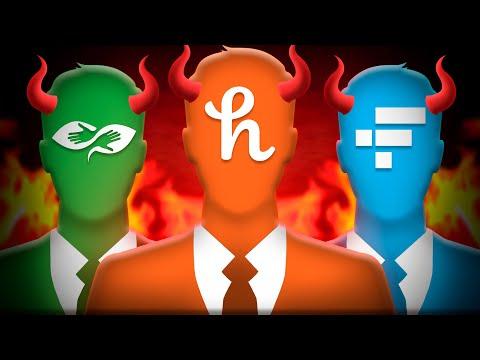
This blog post explores five of the most notorious sponsorships in YouTube history, highlighting how companies like Honey, Yada, Raid Shadow Legends, FTX, and BetterHelp misled creators and consumers alike, leading to financial losses and ethical concerns.
YouTube has become a platform where creators can monetize their content through sponsorships. However, not all sponsorships are created equal. Some have turned out to be downright deceptive, leading to significant backlash from both creators and their audiences. This post examines five of the worst sponsorships in YouTube history, detailing how these companies misled users and creators alike.
Honey, a browser extension marketed as a money-saving tool, was promoted by many top YouTubers. Initially, it seemed like a great way to save money by finding coupon codes. However, the reality was far different. YouTuber Meal Lag exposed Honey's tactics, revealing that the extension often reassured users they had the best deal, even when no coupons were applicable.
When users reached the checkout page, Honey would claim to have found multiple coupon codes. Unfortunately, none of these codes worked. More troubling was the revelation that Honey was stealing sales commissions from the creators who promoted them. By replacing the affiliate tracking cookies of creators with their own, Honey pocketed the commission meant for the YouTubers. This led to a wave of apologies from creators who had previously endorsed Honey, with many urging their audiences to uninstall the extension.
Yada presented itself as a gamified savings app, promising users a chance to win prizes for saving money. Promoted by finance YouTubers like Graham Stephan, it initially seemed like a novel approach to encourage saving. However, the app's intermediary, Synapse, filed for bankruptcy in 2022, leaving 85,000 users with frozen funds.
Coffeezilla, a prominent YouTuber, highlighted the predatory nature of lotteries and how Yada's model exploited this psychology. As of late 2024, over $40 million remained owed to nearly 5,000 customers, raising serious concerns about the ethics of promoting such a service without proper scrutiny.
Since its launch in 2019, Raid Shadow Legends has become infamous for its overwhelming presence on YouTube. Almost every creator seemed to be sponsored by the mobile RPG, leading to a wave of memes and criticism. Smaller creators like FCO noted that YouTubers often sounded robotic in their scripted promotions, which detracted from the authenticity of their content.
Despite Raid's claims that they only work with influencers who genuinely enjoy their game, many creators reported receiving sponsorship offers even after they had stopped promoting the game. This led to widespread skepticism about the company's marketing practices and the integrity of the sponsorships.
FTX was once hailed as a leading cryptocurrency exchange, attracting sponsorships from high-profile athletes and finance YouTubers. However, the platform's reputation crumbled when it was revealed that it had misused customer funds, leading to its bankruptcy in 2022. Promoters like Graham Stephan later issued apologies, acknowledging their misjudgment in endorsing FTX.
The fallout from FTX's collapse serves as a cautionary tale for creators about the importance of vetting sponsors thoroughly. The legal repercussions for FTX and its promoters highlight the risks associated with promoting financial products without fully understanding their implications.
BetterHelp, an online therapy platform, faced scrutiny when several YouTubers began to question the legitimacy of its services. Investigations revealed that the platform charged users immediately after a free trial, even if they canceled right away. Additionally, BetterHelp's terms of service allowed them to share client data, raising serious privacy concerns.
The Federal Trade Commission accused BetterHelp of misleading the public, resulting in a $7.8 million settlement in 2023. Despite attempts to re-enter the market, many creators continue to warn their audiences about BetterHelp's questionable practices, emphasizing the importance of transparency in mental health services.
The sponsorships discussed in this post illustrate the potential pitfalls of influencer marketing on platforms like YouTube. Creators must exercise due diligence when selecting sponsors to avoid misleading their audiences and facing backlash. As the landscape of online content continues to evolve, it is crucial for both creators and consumers to remain vigilant about the products and services being promoted.