Description
Describe what you want to create...

Create stunning cubist art inspired by Picasso and Braque with AI
Reference media and sample results for this task.
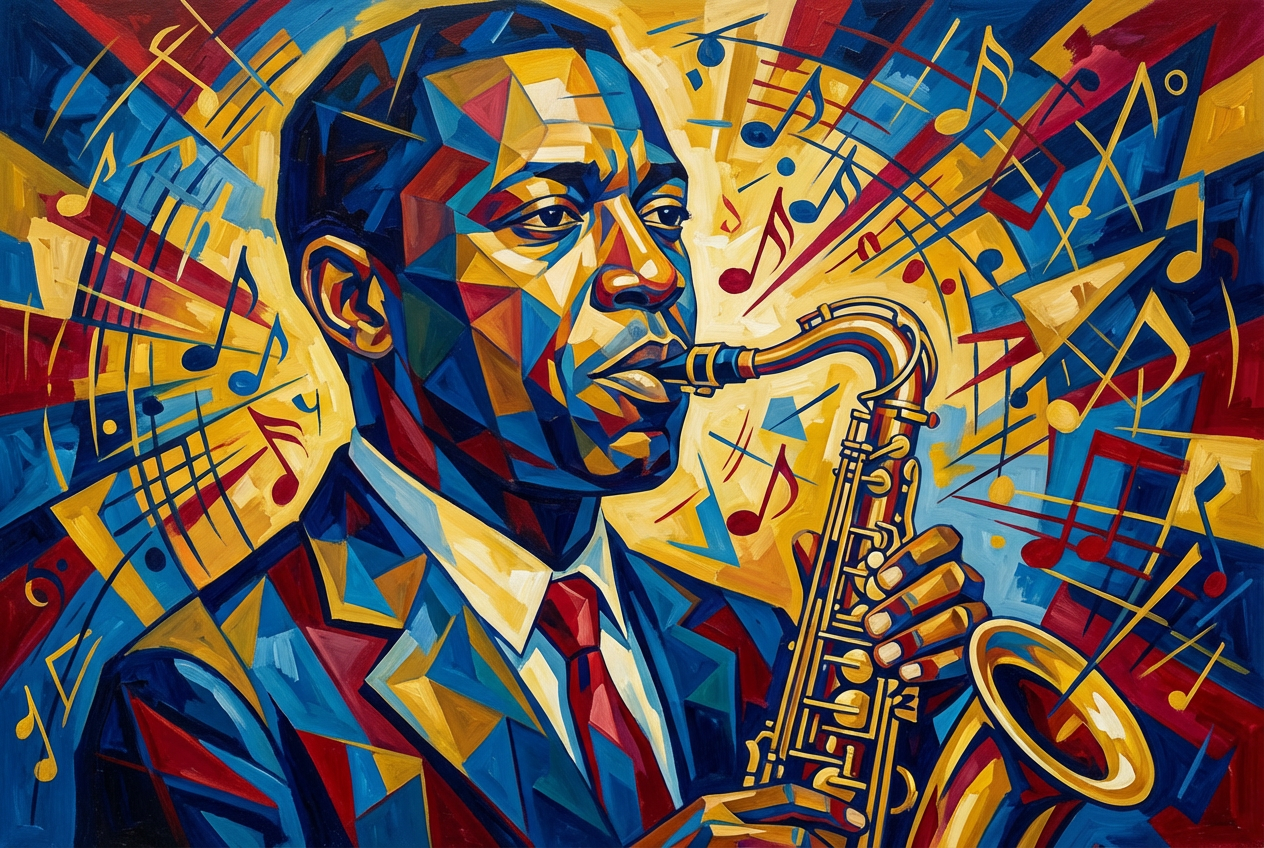
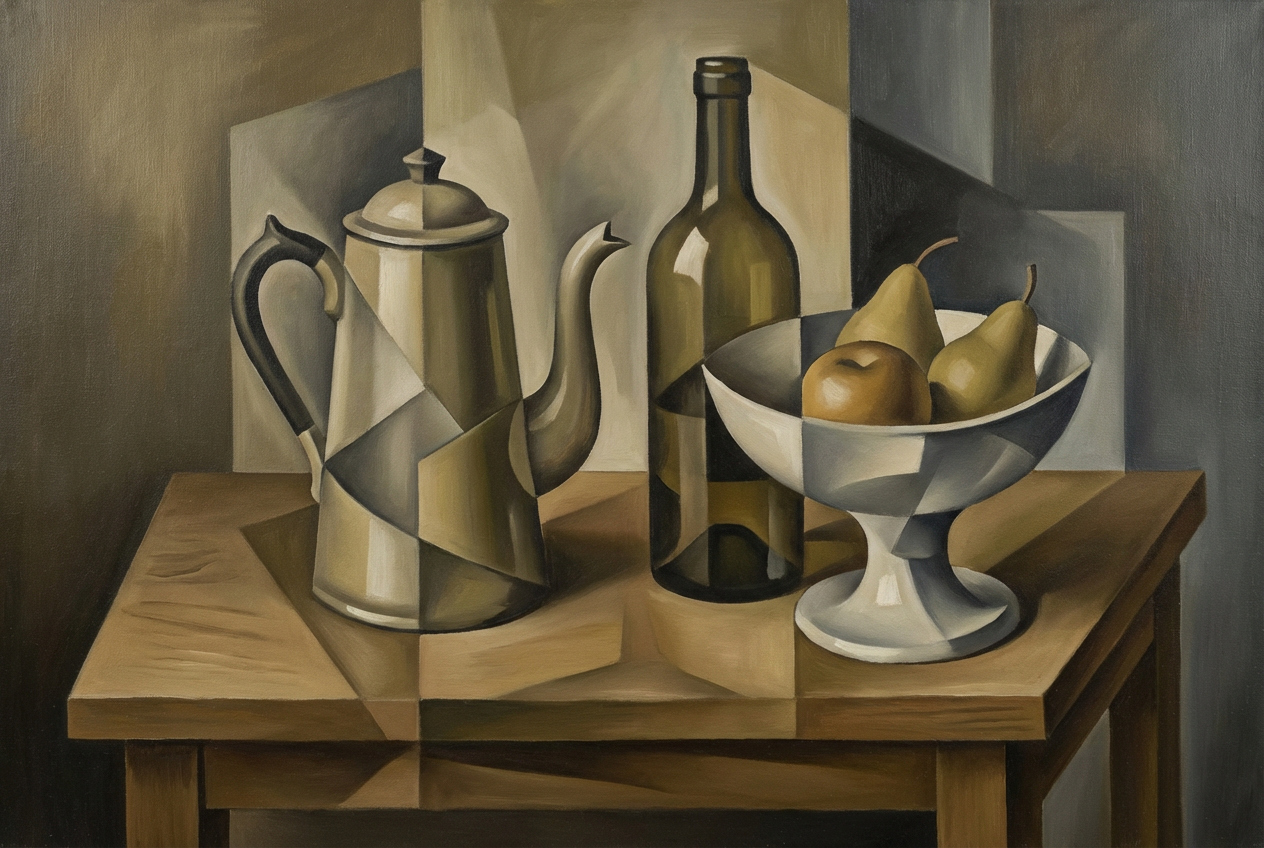
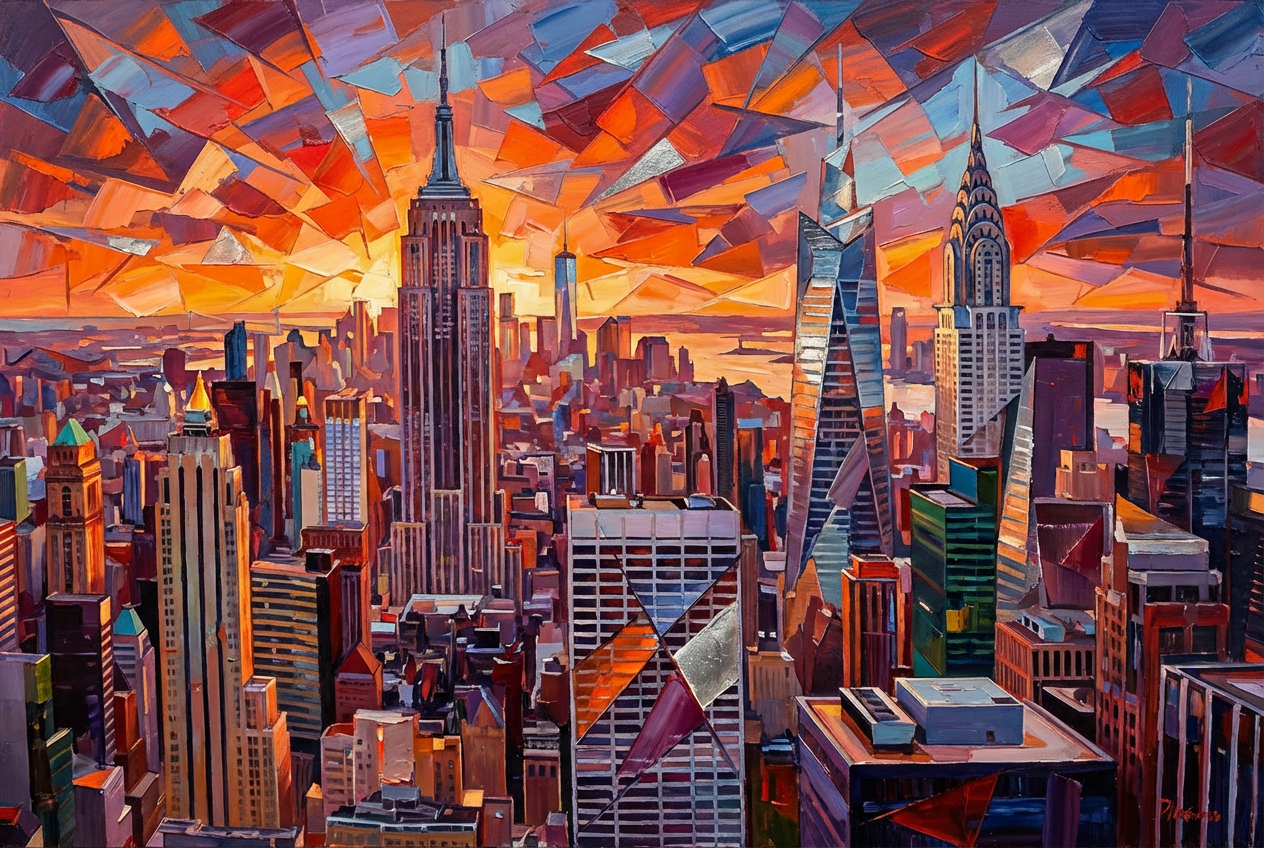
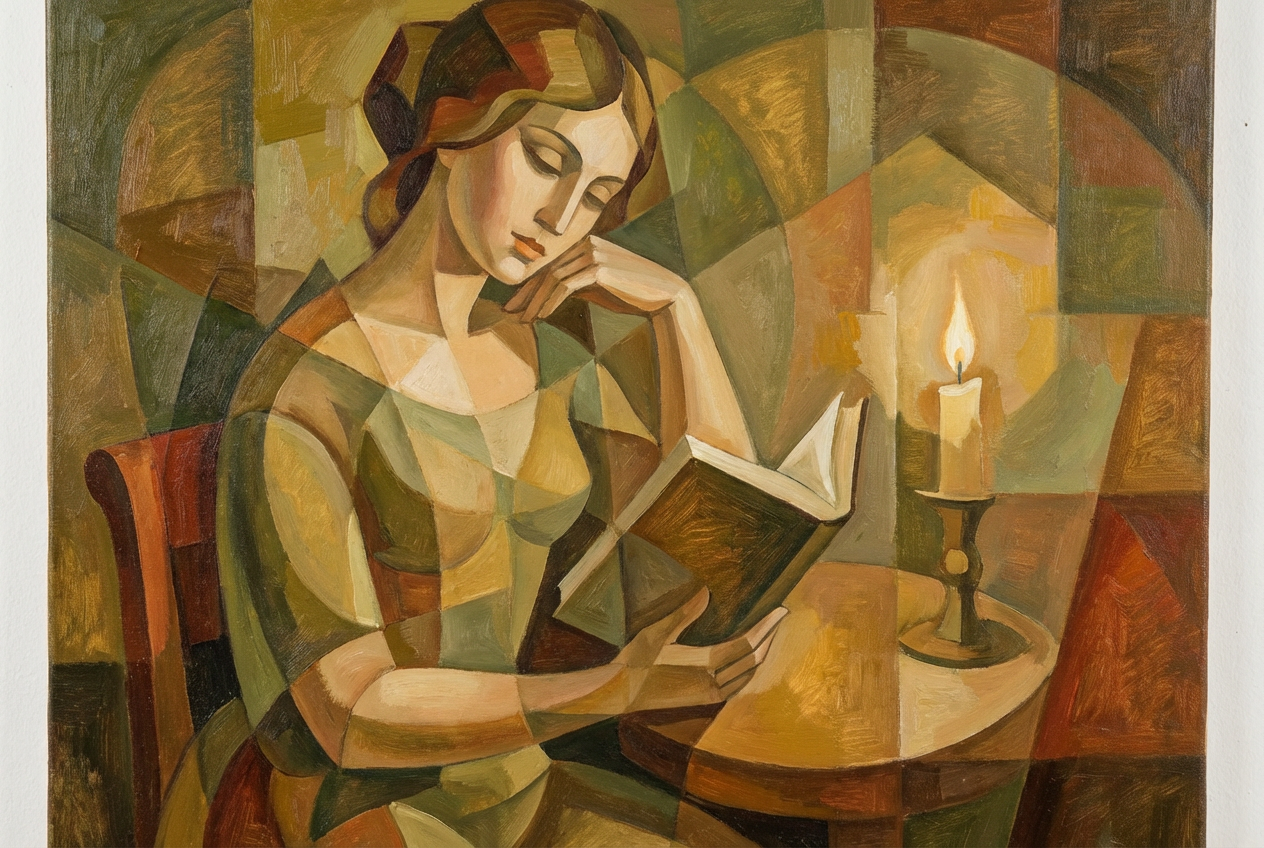
The agent gathers these inputs and preferences in the conversation before it starts.
Describe what you want to create...
Choices: Any Subject, Portrait, Still Life, Landscape, Musical Instruments, Human Figure, Cityscape, Abstract Composition
Choices: Any Style, Analytical Cubism, Synthetic Cubism, Picasso Style, Braque Style, Early Cubism
Choices: Any Colors, Monochromatic, Earth Tones, Muted Colors, Vibrant Colors, Pastel, Bold Primary Colors
Choices: Any Complexity, Simple Geometry, Moderate Fragmentation, Complex Fragmentation, Highly Fragmented
Create authentic cubist artwork with AI that captures the revolutionary spirit of early 20th-century modernism.
Create cubist masterpieces in three simple steps:
Enter what you want to transform into cubist art - portraits, still life, landscapes, or abstract concepts.
Choose your subject, cubism style, color palette, and geometric complexity to match your artistic vision.
Watch as AI creates your unique cubist artwork with fragmented forms and multiple perspectives.
Choose from analytical cubism, synthetic cubism, Picasso-style, Braque-style, and early cubism variations.
From monochromatic earth tones to vibrant primary colors, match historical cubist color schemes.
Control the level of geometric complexity and fragmentation in your cubist compositions.
True cubist representation showing objects from multiple viewpoints simultaneously.
Create cubist versions of portraits, still life, landscapes, musical instruments, and more.
High-resolution cubist artwork suitable for prints, digital art, and exhibition.
Perfect for artists, educators, designers, and art enthusiasts exploring modernist art.
Explore cubist aesthetics and create unique modernist artwork for portfolios and exhibitions.
Teach students about cubism, geometric abstraction, and early 20th-century modernism with visual examples.
Create unique cubist-inspired designs for branding, posters, and contemporary art projects.
Generate custom cubist artwork to complement modern and contemporary interior spaces.
Experiment with cubist principles and create personalized modernist art pieces.
Study and understand cubist techniques by creating and analyzing cubist compositions.
Cubism shows objects from multiple viewpoints simultaneously. Think about how your subject looks from different angles.
Analytical cubism typically uses muted, monochromatic palettes, while synthetic cubism embraces bolder colors.
Begin with still life objects like bottles, guitars, or fruits before attempting complex portraits.
Try different fragmentation levels to see what works best for your composition.
Reference works by Picasso, Braque, and Gris to understand different approaches to cubism.
Cubism is an early 20th-century art movement that revolutionized European painting. It presents objects from multiple viewpoints simultaneously, using geometric shapes and fragmented forms to deconstruct and reassemble subjects.
Analytical cubism (1908-1912) breaks down objects into geometric fragments with muted colors, while synthetic cubism (1912-1914) uses simpler shapes, brighter colors, and often incorporates collage elements.
Yes! Our AI can generate cubist portraits showing faces from multiple perspectives simultaneously, similar to Picasso's famous portrait style.
Traditional cubist subjects include still life (bottles, guitars, fruit), portraits, musical instruments, and cityscapes. However, you can apply cubist style to any subject.
Use monochromatic or earth tones for authentic analytical cubism. Choose vibrant or bold primary colors for synthetic cubism. Experiment to find what suits your artistic vision.
Good cubist art balances geometric fragmentation with recognizable elements, shows multiple perspectives, uses overlapping planes, and maintains compositional harmony despite fragmentation.
Yes! All cubist artwork generated by our AI Cubism Generator is 100% free for commercial use. You can use it for prints, digital art, exhibitions, merchandise, or any commercial purposes.
No, there are no restrictions. You own full rights to the cubist artwork you generate and can modify, share, sell, or exhibit it as you wish.
Our AI generates high-resolution cubist artwork suitable for large prints, digital displays, and professional exhibitions.
Yes! You can control the geometric complexity from simple forms to highly fragmented compositions to match your artistic vision.


