Source image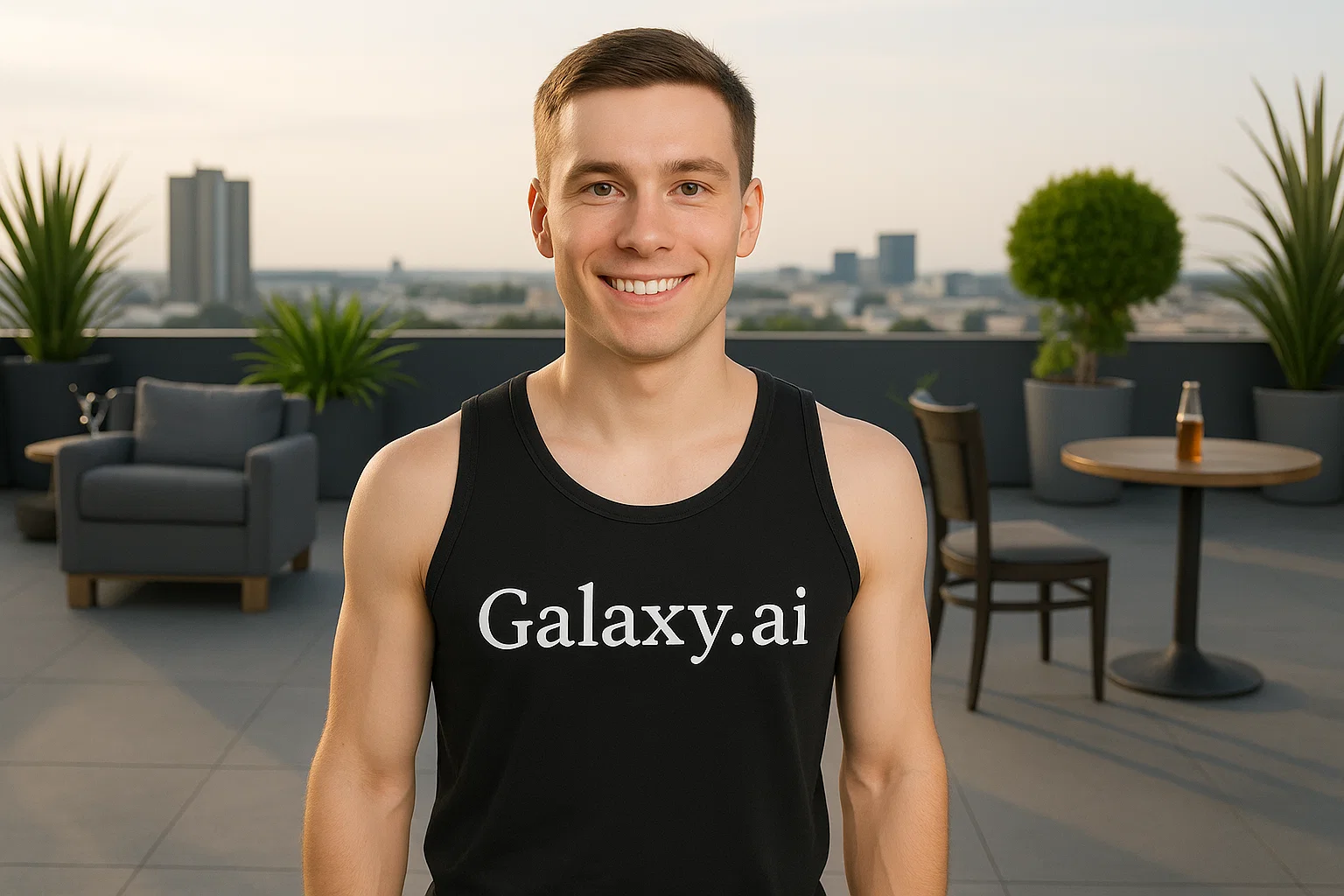
Result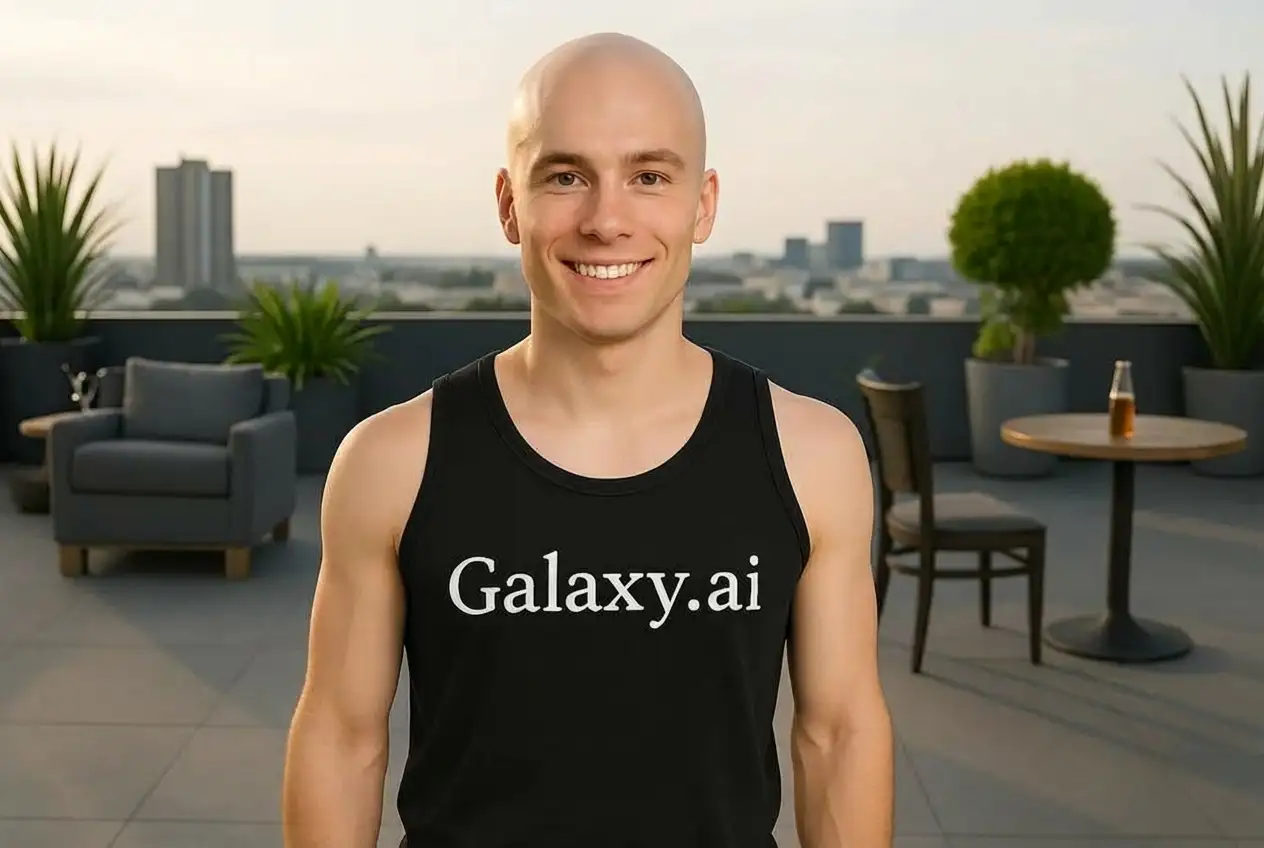

Apply a bald effect to photos using AI technology.
Compare the source image with each finished result.
The agent gathers these inputs and preferences in the conversation before it starts.
attach a photo to apply the bald filter
See how you'd look bald with realistic AI-powered hair removal technology.
Apply a bald effect to photos in three simple steps using advanced AI technology.
attach a clear photo of a person whose hair you want to remove
Our AI detects hair areas and removes them while generating realistic scalp texture
Receive your photo with natural-looking bald appearance and realistic scalp
AI creates natural-looking bald appearance with proper scalp texture and lighting
Accurately identifies and removes all hair while preserving facial features
Maintains original photo quality with realistic scalp reconstruction
Simple one-click hair removal with professional-grade results
See how you'd look bald without actually shaving your head
Create entertaining before/after transformations for social media content
Visualize character transformations and special effects for media projects
Help people visualize and prepare for hair loss treatments or medical conditions
Well-lit photos with clearly visible hair and facial features produce the best results.
Photos taken from the front work better than side profiles for accurate hair removal.
Photos where hair contrasts well with the background will have more accurate removal.
Higher resolution photos provide better detail for more realistic scalp reconstruction.
Our AI creates very realistic bald appearances by analyzing head shape and generating natural scalp texture with proper lighting and shadows.
Yes! Our AI can remove all hair types including short, long, curly, straight, and various hairstyles while creating natural scalp appearance.
No, the AI specifically targets hair areas while preserving all facial features, expressions, and other characteristics.
The filter works best on people with hair. If someone is already bald, the result may not show significant changes.
Processing typically takes 30-60 seconds depending on image complexity and hair coverage.


