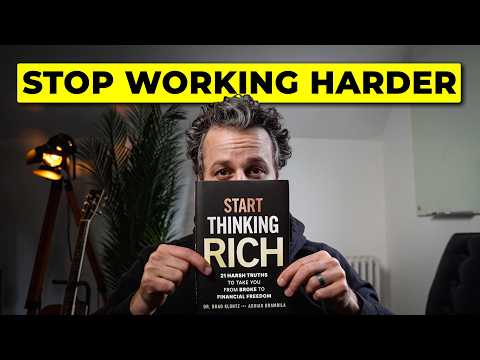
This blog post outlines key lessons from a transformative finance book that emphasizes the importance of taking ownership of one's financial situation, the risks of traditional employment, and actionable steps to achieve financial freedom, including saving, investing, and changing spending habits.
In the pursuit of financial freedom, many individuals find themselves trapped in a cycle of poverty and debt. A recently released finance book offers profound insights that can help anyone transition from being broke to achieving financial independence. Here are some of the most impactful lessons from the book that can change your financial trajectory forever.
The first truth is simple: being poor is challenging. While some argue that money cannot buy happiness, this perspective often comes from those who have never experienced financial hardship. People who struggle financially understand the stress of living paycheck to paycheck, missing important life events due to work obligations, and the anxiety that comes with unexpected expenses. Money, in this context, is a tool that can alleviate stress, provide better health options, and allow for more time with loved ones.
Many believe that the financial system is rigged against them. This mindset can trap individuals in a cycle of inaction and despair. Instead of feeling powerless, it is crucial to take extreme ownership of one’s circumstances. By acknowledging that change is possible, individuals can break free from the limitations imposed by their beliefs about the system.
Statistics reveal a grim picture of the average American's financial health: 96,000 dollars in debt, over half lacking savings for emergencies, and nearly half unable to retire comfortably. These figures prompt a critical examination of common financial habits. Many people spend their raises, accumulate credit card debt, and neglect budgeting, leading to a precarious financial situation.
While having a job may seem secure, it can be deceptively risky. Millions lost their jobs in 2023, highlighting the instability of relying on a single income source. Job security is an illusion; companies can downsize or restructure at any time. To mitigate this risk, diversifying income streams is essential for achieving financial independence.
A significant barrier to financial freedom is learned helplessness, a psychological state where individuals feel powerless to change their circumstances. This mindset can stem from past experiences of failure or hardship. To combat this, it is vital to recognize that change is possible and to take proactive steps toward improvement.
Achieving financial freedom often requires breaking down large goals into manageable steps. Consistent, small actions can lead to significant changes over time. This principle is echoed in various self-help literature, emphasizing the importance of persistence and gradual progress.
To improve financial standing, individuals must focus on increasing their value in the marketplace. This can be achieved through continuous learning, networking, and developing skills that are in demand. Reading books, listening to podcasts, and taking online courses can enhance one’s knowledge and marketability.
One of the most radical suggestions from the book is to save and invest a substantial portion of your income—ideally 30% or more. This approach contrasts sharply with the common advice of saving just 10-15%. By prioritizing savings and investments, individuals can accelerate their journey toward financial freedom.
Achieving financial independence often requires sacrifices. This might mean downsizing living arrangements, cutting unnecessary expenses, or taking on additional work. For instance, sharing living costs with a roommate can significantly impact long-term savings and investment potential.
Investing in financial education is crucial. Understanding how money works, the implications of debt, and the benefits of investing can empower individuals to make informed decisions. The book encourages readers to seek knowledge actively and apply it to their financial strategies.
Credit card debt can be a significant obstacle to financial freedom. The average American carries substantial credit card debt, which can lead to financial ruin over time. The book advises against using credit cards unless one can pay off the balance in full each month, emphasizing the importance of living within one’s means.
Transitioning from a state of financial struggle to one of freedom is challenging but achievable. By adopting a mindset of ownership, making informed financial decisions, and committing to continuous learning and improvement, anyone can change their financial future. The lessons from this finance book serve as a roadmap for those ready to take control of their financial destiny and work towards a more secure and prosperous life.