
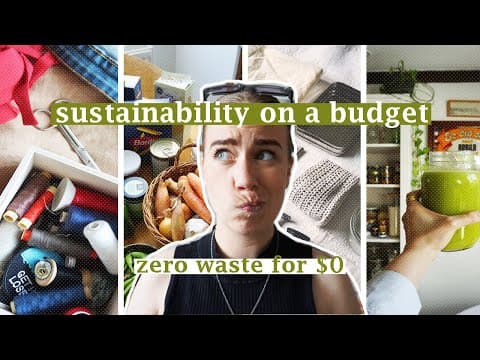
This blog post outlines 30 easy and often free habits to adopt for a more sustainable lifestyle during Plastic-Free July, focusing on reducing consumption, reusing materials, and making eco-conscious choices that benefit both the planet and personal finances.
Plastic-Free July is a global movement aimed at reducing plastic waste and promoting eco-conscious habits. In this blog post, we will explore 30 easy and often free ways to adopt a more sustainable lifestyle, inspired by the principles of zero waste and conscious consumption. These tips not only benefit the planet but can also improve your wallet and overall well-being.
The most impactful step you can take is to simply buy less. Focus on purchasing only what you truly need and avoid impulse buys. By reducing overconsumption, you contribute positively to the environment.
Invest in high-quality items that last longer instead of succumbing to fleeting trends. This approach not only reduces waste but also ensures you have items that serve you well over time.
While recycling is important, it should not be the end goal. Set up a solid recycling system at home to sort materials properly, but also seek ways to prevent waste from occurring in the first place.
Instead of discarding disposable napkins from restaurants, take them home for future use. This small act can significantly reduce waste.
Make it a habit to pick up three pieces of trash every day. This simple action contributes to a cleaner environment and fosters a sense of community responsibility.
When shopping, place your fruits and vegetables directly in your basket instead of using plastic bags. Wash them thoroughly at home before consumption.
Ditch plastic wrap and aluminum foil in favor of reusable containers. You can also use plates to cover food in the fridge, reducing single-use disposables.
Consider replacing meat and dairy with plant-based options like beans, lentils, and tofu. This not only reduces your carbon footprint but can also be more economical.
You can freeze food in glass jars without breaking them, as long as you leave some air space at the top. This method is sustainable and helps reduce food waste.
When ordering drinks, simply request no straw. While straws contribute minimally to plastic pollution, every small action counts.
Use a lunchbox for takeout and leftovers. This reduces reliance on disposable packaging and is a healthier option.
Keep a set of reusable cutlery in your bag for picnics and takeout. This helps avoid single-use plastic utensils.
Instead of disposable paper napkins, use reusable kitchen cloths. They are more sustainable and can be washed with your regular laundry.
Before buying new, check thrift stores or online secondhand platforms. This not only saves money but also reduces demand for new products.
You can easily grow herbs and vegetables in your kitchen, reducing the need for plastic-packaged produce from the store.
Repurpose jars from jams and condiments for food storage. This is a cost-effective and sustainable solution.
If possible, shop at bulk stores and farmers markets. This supports local businesses and often results in less packaging.
Eating local and seasonal foods reduces environmental impact and often comes with less plastic packaging.
Avoid accepting free samples or knickknacks that you don’t need. These often end up as clutter and waste.
Learn basic sewing skills to mend and extend the life of your clothing. This reduces waste and saves money.
Opt for air drying instead of using a tumble dryer. This is gentler on fabrics and saves energy.
Consider switching your bank or pension fund to one that does not invest in fossil fuels. This can have a significant positive impact on the environment.
Instead of replacing appliances with every new model, maintain and repair what you have to extend their lifespan.
Using a dishwasher can save water compared to hand washing, depending on the appliance and usage.
Turn food scraps into compost to enrich your garden. This reduces waste and promotes healthy plant growth.
If legal in your area, consider dumpster diving to rescue food from waste. This can save money and reduce food waste.
Instead of shopping as a social activity, invite friends to engage in non-consumptive activities like hiking or picnics.
Monitor and reduce your use of heat, water, and electricity. This not only benefits the planet but can also lower your bills.
Change your energy supplier to one that provides renewable energy. This helps reduce reliance on fossil fuels.
Engage with your community by sharing your sustainability tips and actions. Together, we can inspire each other to make a difference.
In conclusion, adopting these 30 habits can significantly contribute to a more sustainable lifestyle. Remember, every small action counts, and together we can make a positive impact on our planet. Happy Plastic-Free July!



















