
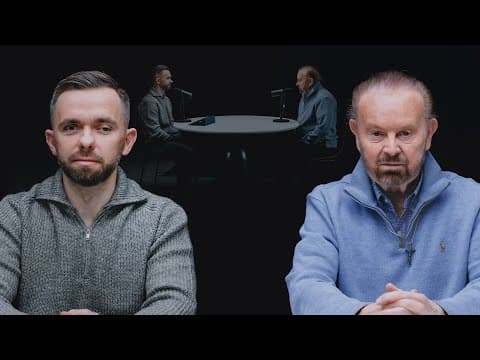
Dr. Bob Larson, a prominent figure in the field of exorcism, shares his journey from a farm kid in Nebraska to conducting over 50,000 exorcisms. He discusses the challenges of modern spiritual warfare, the misconceptions about demons and Christians, and the importance of deliverance ministry in today's world. Larson emphasizes the need for the church to adapt to the new spiritual landscape and the significance of personal experience in understanding and combating demonic influences.
In a world increasingly influenced by occultism and spiritual warfare, Dr. Bob Larson stands out as a leading authority on exorcism and deliverance ministry. With over 50,000 exorcisms to his name, Larson has dedicated his life to helping those afflicted by demonic forces. In this blog post, we explore his journey, insights, and the lessons he has learned throughout his extensive ministry.
Dr. Larson's journey began as a farm kid in Nebraska, where he initially pursued a career in medicine. However, after becoming a Christian, he felt a calling to ministry. His early experiences included motivational speaking and traveling the world, where he encountered various cultures and their spiritual practices. It was during these travels that he first witnessed demonic rituals in Africa, the Middle East, and Asia, which sparked his interest in the supernatural.
Larson's first significant encounter with deliverance occurred during a youth rally when a 15-year-old girl boldly claimed she had sexual relations with the devil. This shocking revelation led to a spontaneous deliverance session, marking the beginning of his journey into the world of exorcism. Despite lacking formal training, Larson relied on his instincts and faith to guide him through the process.
As Larson continued his ministry, he faced numerous challenges, including skepticism from church leaders and the broader Christian community. Many pastors were reluctant to acknowledge the existence of demons, leading to a lack of support for those seeking help. Larson emphasizes the importance of listening to individuals' experiences rather than preaching at them, as many people suffer in silence, feeling unheard by their spiritual leaders.
Larson points out that the spiritual landscape has shifted dramatically in recent years. With the rise of occultism and a growing acceptance of metaphysical beliefs, many Christians now struggle with issues that were once considered taboo. He warns that the church must adapt to this new normal, which often includes confronting demonic influences that have become more prevalent in society.
Through his extensive experience, Larson has identified several common ways individuals become susceptible to demonic influence. He notes that many cases stem from generational curses, witchcraft, and exposure to occult practices. Larson argues that the church must address these issues head-on, as ignoring them only allows the problem to fester.
Larson calls on church leaders to wake up to the reality of spiritual warfare. He believes that many pastors are out of touch with the struggles their congregants face, often failing to provide the necessary support for those dealing with demonic oppression. He emphasizes that the healing of one soul is more important than the approval of the religious community.
One of the key lessons Larson has learned is the significance of personal experience in ministry. He believes that those who have not actively engaged in deliverance work often lack the understanding necessary to address the complexities of spiritual warfare. Larson encourages aspiring deliverance ministers to seek training and education to equip themselves for the challenges they will face.
To further this goal, Larson established the International School of Exorcism, offering courses that cover the history, theology, and practical aspects of deliverance ministry. He aims to create a network of trained individuals who can effectively minister to those in need, ensuring that the legacy of deliverance continues long after he is gone.
Dr. Bob Larson's journey from a farm kid to a leading exorcist is a testament to the power of faith and the importance of addressing spiritual warfare in today's world. His insights into the challenges of modern ministry and the need for education and training in deliverance work serve as a call to action for the church. As the spiritual landscape continues to evolve, it is crucial for believers to remain vigilant and prepared to confront the realities of demonic influence in their lives and communities.
In a world where the lines between the physical and spiritual realms are increasingly blurred, Larson's message is clear: the church must rise to the occasion and equip itself to fight against the forces of darkness, one soul at a time.



















