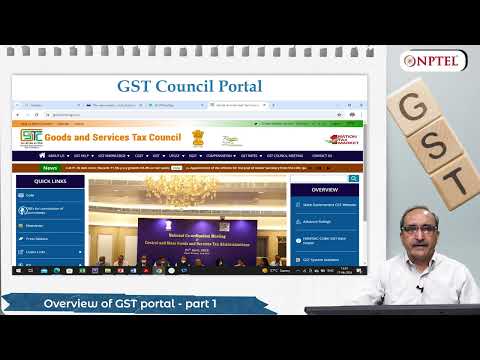
This blog post provides an in-depth overview of the Goods and Services Tax (GST) portal in India, detailing its significance, functionalities, and the processes involved in GST registration and compliance. It covers the basic concepts of GST, the importance of input tax credit, and the various sections of the GST Act that are crucial for practitioners and businesses.
Welcome to this detailed exploration of the Goods and Services Tax (GST) portal in India. In this post, we will delve into the fundamental concepts of GST, the significance of the GST portal, and the processes involved in GST registration and compliance. This overview is essential for anyone looking to understand or practice GST effectively.
The Goods and Services Tax (GST) is a comprehensive indirect tax that has transformed the taxation landscape in India since its implementation on July 1, 2017. It is crucial for businesses and tax practitioners to grasp the basic concepts of GST, including the meaning of supply and the scope of supply under the GST framework.
Section 2 of the Central Goods and Services Tax (CGST) Act contains 119 definitions that are vital for understanding GST. These definitions form the backbone of the GST Act and are essential for anyone looking to practice GST or build a career in this field.
Input Tax Credit is a significant aspect of GST that allows businesses to reduce their tax liability by claiming credit for the taxes paid on inputs. Understanding ITC is crucial for managing working capital and ensuring compliance with tax obligations.
The GST portal is an IT-based platform that facilitates the execution of GST-related processes. It serves as the primary interface for businesses to communicate with the government regarding their tax obligations.
The GST portal is essential for:
There are three main portals that support the GST framework in India:
Upon accessing the GST portal at www.gst.gov.in, users are greeted with a homepage that offers various services, including:
The registration process on the GST portal is a two-part application:
The GST portal also offers a knowledge portal that provides educational materials, including videos and manuals on various GST processes, such as filing returns and applying for registration.
Understanding the GST portal is crucial for anyone involved in business or tax consultancy in India. This overview has highlighted the importance of the GST portal, the basic concepts of GST, and the registration process. As we continue to explore the functionalities of the GST portal in future posts, it is essential for practitioners to familiarize themselves with these processes to ensure compliance and effective management of their tax obligations.