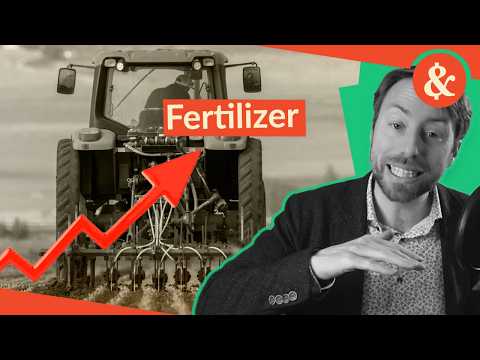
The blockade of the Strait of Hormuz has caused a significant disruption in global oil, natural gas, sulfur, and fertilizer supplies, leading to soaring fertilizer prices and increased costs for farmers worldwide. This will result in higher food prices globally, with the most vulnerable countries facing severe impacts. Food price inflation is expected to rise by 3-6% by the end of the year, affecting grains, dairy, and meat products in a staggered timeline.
It has been a month since the largest oil supply disruption in history, with crude oil prices soaring well over $100 per barrel. Driving has become significantly more expensive, but unfortunately, the impact on food prices is expected to be even more severe and will be felt in the coming weeks and months.
While Ukraine is known as the grain basket of Europe, the Strait of Hormuz plays a critical role in global food prices due to the types of shipments passing through it. Four main types of ships are stuck in the Persian Gulf:
Fuel costs are a major expense for farms and food transportation. Nitrogen fertilizers, which rely heavily on natural gas, are facing higher production costs due to the disruption. Sulfur exports, crucial for phosphate fertilizer production, are also affected. Additionally, the blockade has removed around 20% of ready-to-use fertilizers from global markets.
Farming operates on very thin profit margins. The simultaneous rise in fertilizer and energy prices forces farmers into difficult choices:
Both options lead to higher grocery bills for consumers.
Food price inflation will not be immediate but will follow a predictable timeline based on planting seasons and fertilizer use:
The extent of food price inflation depends on location and the duration of the conflict:
Overall, food prices could be 3 to 6% higher by the end of the year. For consumers, this means if food prices were expected to rise by 3%, the crisis could push that increase to 6-9%.
Some countries are particularly vulnerable due to seasonal timing and reliance on imports:
The fertilizer crisis highlights a multi-faceted global economic crisis triggered by the US-Israel attack on Iran and the consequent closure of the Strait of Hormuz. Emerging markets are especially vulnerable due to their reliance on energy imports and Gulf money.
The blockade of the Strait of Hormuz has disrupted critical supplies of oil, natural gas, sulfur, and fertilizers, leading to soaring costs for farmers and impending food price inflation worldwide. The crisis will unfold over the coming weeks and months, with vulnerable countries facing severe challenges. Consumers should prepare for higher grocery bills, and governments may need to intervene with subsidies or other measures to mitigate the impact.
Understanding these dynamics is crucial for anticipating the global food crisis ahead and its wide-reaching consequences on economies and populations worldwide.