
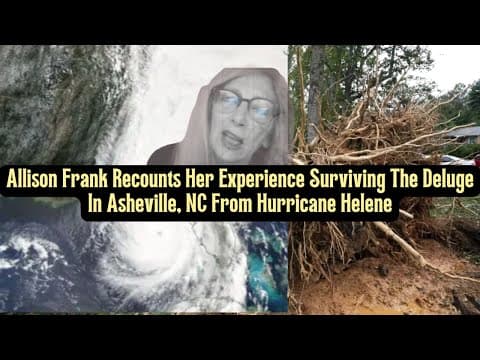
Hurricane Helene devastated Asheville, North Carolina, revealing the vulnerabilities of a region previously considered safe from severe weather. The storm's unprecedented destruction, compounded by prior torrential rains, highlighted the need for community resilience and awareness of climate change's realities.
Hurricane Helene made its way through Florida and up the eastern United States, ultimately striking Asheville, North Carolina. This event was not just a typical hurricane; it was a harbinger of the changing climate and the vulnerabilities of a region once thought to be safe from severe weather.
In the days leading up to Hurricane Helene, Asheville experienced torrential rains from the 24th to the 26th, which followed a period of drought. This unusual weather pattern set the stage for the destruction that would follow. The storm brought winds of 75 mph, but it was the combination of these winds with the prior heavy rainfall that led to catastrophic damage.
Residents of Asheville had long considered their city a safe haven from natural disasters. With no history of hurricanes, tornadoes, or earthquakes, many felt fortunate to live in such a climate-resilient area. However, the arrival of Hurricane Helene shattered this illusion, demonstrating that even the safest places are not immune to the effects of climate change.
Unlike typical hurricanes, Helene was characterized by embedded tornadoes and extreme rainfall. Reports indicated that there were winds reaching up to 200 mph within the storm. The destruction was immense, with entire neighborhoods devastated. The aftermath revealed that many homes had trees crashing through their roofs, and the extent of the damage was incomprehensible.
As the storm passed, communication lines were severed, leaving residents in the dark about the situation. Power, water, and Wi-Fi were all lost, isolating individuals from their communities. The reliance on electronic communication became painfully evident as people found themselves alone and without information. The lack of a reliable communication network exacerbated the fear and confusion.
In the days following the hurricane, residents faced dire circumstances. With no access to clean water, many resorted to collecting creek water, unaware of the contamination that had occurred due to the storm. The sewage treatment plant's failure led to widespread pollution, making the water unsafe for consumption. The realization of how much water is needed for daily life became apparent as basic tasks like washing dishes became impossible.
The psychological impact of the storm was profound. Isolation and uncertainty led to feelings of despair and panic. The community, once vibrant and connected, was now fragmented. Individuals struggled with their mental health as they faced the reality of their situation without the support of friends or family.
As days turned into weeks, the situation worsened. Initial estimates for the restoration of power and water extended from two weeks to potentially three months. The fear of being alone in a devastated city became overwhelming. Many residents, including the narrator, felt compelled to leave their homes in search of safety and support.
The narrator's journey took a turn for the worse when they fell ill due to contaminated water, leading to a hospital stay for sepsis. This experience underscored the physical dangers posed by the storm and the subsequent lack of resources. The reality of the situation was stark: the storm had not only destroyed homes but also threatened lives.
Through this harrowing experience, the importance of community became clear. The narrator emphasized the need for real connections and support systems in times of crisis. The isolation experienced during the storm highlighted the fragility of relying solely on electronic communication.
Hurricane Helene's impact on Asheville serves as a critical reminder of the realities of climate change and the vulnerabilities of even the safest regions. The need for community resilience, preparedness, and awareness is more pressing than ever. As we face an uncertain future, it is essential to foster connections and support one another in the face of adversity. The narrator's story is a call to action for individuals to come together and build stronger, more resilient communities.



















