
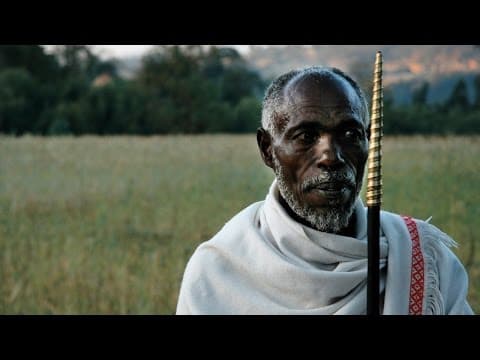
The Gamo Highlands in Ethiopia represent a unique intersection of ancient agricultural practices and modern challenges, highlighting the importance of biodiversity, cultural heritage, and the impact of external influences like evangelical Christianity and industrial agriculture.
The Gamo Highlands in southwestern Ethiopia are a remarkable example of how human civilization and the natural world can coexist in harmony. This region, known as the birthplace of our species, has maintained agricultural diversity and organic farming practices for over 10,000 years. However, the collision of ancient traditions with modern influences poses significant challenges to the Gamo people and their environment.
The Gamo Highlands are characterized by a landscape that has evolved alongside its inhabitants. Ecologist Leah Samburg notes that the people of the Gamo have lived in close connection with their environment, resulting in a landscape that remains largely untouched by modern development. Interviews with centenarian farmers reveal a surprising lack of change in their agricultural practices, emphasizing the stability of their traditional ways.
Indigenous elder Kapo Kansa emphasizes the spiritual relationship the Gamo people have with their environment. They believe that every element of nature, from the air to the soil, possesses a spirit. This belief fosters a sense of respect and gratitude towards the land, as they perform rituals to honor the earth and its resources. Abera Ogato, another elder, explains that the Gamo people do not see themselves as dominant over nature but rather as coexisting with it, which is reflected in their practices and laws known as Wogas.
In recent years, evangelical Christian organizations have made significant inroads into the Gamo Highlands, building churches and converting many locals, particularly the youth. Pastor Samuel Otto describes the commitment of these organizations to spread their interpretation of the Gospel, often at the expense of traditional beliefs. This has led to tensions between the new religious practices and the indigenous spiritual connection to the land.
The arrival of these evangelical groups has not only altered spiritual practices but has also disrupted community life. Traditional songs and rituals, integral to the Gamo culture, have been discouraged or forbidden by some church leaders. This cultural clash raises concerns about the loss of indigenous knowledge and practices that have sustained the Gamo people for generations.
The Green Revolution, which began in the mid-20th century, aimed to increase agricultural productivity through the use of chemical fertilizers and pesticides. While it succeeded in maximizing yields in some regions, it also created dependency on a narrow range of crops and agricultural practices. Dr. Joe DeVries from AGRA highlights the initial success of the Green Revolution in Asia, but warns of its limitations and the risks associated with reduced genetic diversity in crops.
The Bill & Melinda Gates Foundation and the Rockefeller Foundation's AGRA initiative seeks to replicate the Green Revolution in Africa. However, many local farmers express skepticism about these foreign technologies, arguing that they undermine traditional knowledge and practices. Samuel Muhunyu from the Network for Eco-farming in Africa points out that local farmers possess valuable knowledge about sustainable practices that are often overlooked in favor of quick-fix solutions.
The Gamo Highlands are a critical center of agricultural biodiversity, housing numerous crop varieties that are essential for food security. The loss of this diversity due to industrial agriculture poses a significant threat not only to the Gamo people but to global food systems. Achim Steiner from UNEP emphasizes the need for a more holistic approach to agriculture that respects ecological principles and promotes resilience through diversity.
The Gamo Highlands are home to 54 different tribes, each with its own unique cultural practices and connections to the land. The annual Thousand Stars Festival celebrates this rich cultural heritage and reinforces the importance of sustainable practices. The Gamo people adhere to strict guidelines regarding resource use, ensuring that they do not deplete their environment for future generations.
The Gamo Highlands serve as a poignant reminder of the delicate balance between tradition and modernity. As external influences threaten to disrupt their way of life, the Gamo people continue to advocate for the preservation of their cultural and agricultural heritage. Their unique worldview, which emphasizes the interconnectedness of spirituality and ecology, offers valuable lessons for addressing contemporary challenges in agriculture and environmental stewardship. The future of the Gamo Highlands—and indeed, the planet—may depend on our ability to learn from these ancient practices and integrate them into modern approaches to sustainability.



















