
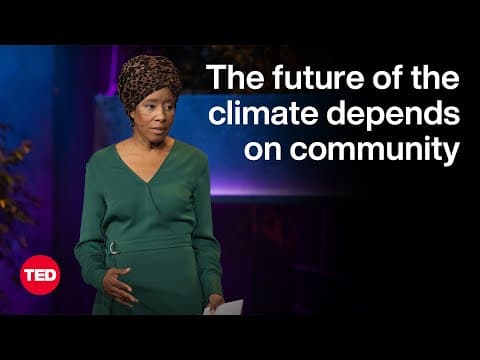
This blog post explores the lessons learned from Detroit's experiences with climate change, particularly the floods of 2014 and 2021. It emphasizes the importance of acceptance, mutual aid, and adaptation in preparing for future climate crises, while also addressing the social and political factors that hinder progress.
In recent years, climate change has become an undeniable reality, impacting cities across the globe. Detroit, a city with a rich history of migration and resilience, faced significant challenges during the floods of 2014 and 2021. These events serve as a stark reminder of the urgent need to adapt to our changing climate. This blog post delves into the lessons learned from Detroit's past, focusing on three key strategies: acceptance, aid, and adaptation.
In 2021, Detroit experienced a catastrophic flood, with seven inches of rain falling in a single event. This led to cars being stranded on highways and residents navigating their neighborhoods by kayak. The damage was extensive, costing over a billion dollars. However, this was not an isolated incident; a similar flood occurred in 2014, where four to six inches of rain caused comparable devastation. The recurrence of such events highlights a critical issue: climate change is not a distant threat but a current reality.
To understand the present challenges, we must look to the past. The speaker's grandparents migrated from Boligee, Alabama, to Detroit in the 1950s, seeking better opportunities. This migration was not just a physical relocation but also an adaptation to a new climate. They faced weather conditions they had never encountered before, including harsh winters and shorter summers. This historical perspective provides valuable insights into how communities can adapt to changing climates.
The first strategy is acceptance. Migrants from the South had to acknowledge that their experiences with weather would change dramatically. Acceptance involves recognizing that climate change is not something we can deny or avoid. By accepting this reality, we can better plan, prepare, and respond to climate-related challenges.
The second strategy is aid. Upon arriving in Detroit, families formed communities of mutual aid, supporting one another in finding housing, jobs, and resources. This sense of community is crucial in times of crisis. During the floods of 2014 and 2021, neighbors and local organizations stepped in to assist when government responses were inadequate. Building strong support networks is essential for resilience against climate change.
The third strategy is adaptation. The migrants recognized the need to invest in tools and resources to cope with their new environment. This included acquiring shovels for snow removal and materials to insulate their homes. Similarly, we must take proactive steps to adapt to current and future climate challenges. This requires collaboration among community members, organizations, businesses, and local governments to develop and implement effective plans.
While discussing climate change, it is vital to consider the social and political conditions that can hinder progress. The speaker highlights that, just as the migrants faced discrimination and limited access to resources in the North, contemporary communities still encounter barriers that affect their ability to adapt to climate change. Addressing these inequalities is crucial for fostering resilience.
The lessons learned from Detroit's past are clear: acceptance, aid, and adaptation are essential strategies for navigating the challenges posed by climate change. As we prepare for future climate-related crises, we must acknowledge the reality of our situation, support one another through mutual aid, and adapt our actions and thinking accordingly. By centering community voices and experiences, we can create a more resilient future for all.
In the face of inevitable climate events, we must be prepared. The floods will come again, and it is our responsibility to ensure that we are ready to face them together.
Thank you for engaging with these important lessons from Detroit's history as we work towards a sustainable future.



















