
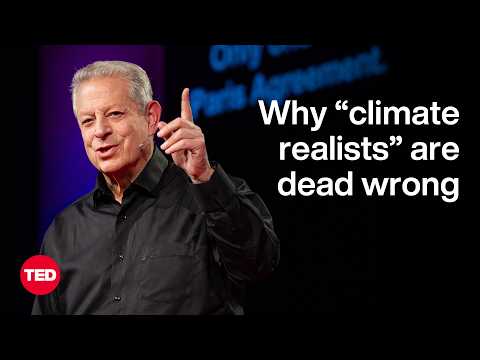
In a compelling TED talk, Al Gore argues against the concept of 'climate realism,' asserting that it undermines urgent climate action. He highlights the progress made in renewable energy, the dire consequences of inaction, and the need for a global commitment to combat climate change. Gore emphasizes that while adaptation is necessary, it should not replace efforts to reduce fossil fuel use, as the climate crisis demands immediate and decisive action.
In a recent TED talk, Al Gore addressed the pressing issue of climate change, reflecting on the ten years since the Paris Agreement was established. He emphasized that while 195 nations committed to achieving net-zero emissions by mid-century, the concept of 'climate realism' has emerged as a significant barrier to effective climate action.
Gore began by acknowledging the progress made in renewable energy despite political setbacks, particularly during the Trump administration, which attempted to withdraw from international climate agreements and promote fossil fuels. He noted that during this period, investments in renewable energy doubled, with solar capacity and electric vehicle sales both seeing significant increases. This progress, however, is often overshadowed by the fossil fuel industry's narrative that dismisses the commitments made at the Paris negotiations as unrealistic.
The term 'climate realism' is used by some to argue against the urgency of reducing fossil fuel consumption, suggesting instead that we should focus on adaptation to climate impacts. Gore challenged this notion, questioning whether it is realistic to ignore the potential for one to two billion climate refugees by 2050 due to rising temperatures and extreme weather events. He pointed out that the last decade has seen unprecedented heat, with the hottest years recorded occurring in recent times.
Gore highlighted the severe economic implications of climate inaction, predicting that failure to address climate change could result in a loss of $25 trillion in the next 25 years. He also warned of the health impacts associated with climate change, citing the World Health Organization's designation of climate change as the most serious health threat facing humanity. The particulate pollution from fossil fuels alone claims nearly nine million lives annually.
Critics of rapid climate action often argue that energy transitions historically occur slowly. Gore countered this by presenting evidence of the rapid advancements in renewable energy technologies, such as solar and wind, which have become the cheapest sources of electricity in history. He pointed out that since the Paris Agreement, solar energy installations have outpaced fossil fuel investments significantly.
Gore expressed concern over the fossil fuel industry's push for continued reliance on fossil fuels, particularly in developing countries. He noted that while energy access is crucial, it should not come at the expense of sustainable practices. The fossil fuel industry’s influence has led to a misallocation of resources, with developing nations receiving a disproportionate amount of funding for fossil fuel projects compared to renewable energy initiatives.
Despite the progress made, Gore stressed that we are still moving too slowly to meet the goals set forth in the Paris Agreement. He attributed this sluggishness to the fierce opposition from the fossil fuel industry, which has successfully diverted public attention away from necessary policy changes. He called for a renewed political will to combat climate change, emphasizing that this will is a renewable resource that can be harnessed through collective action.
Gore concluded his talk by urging individuals and policymakers to recognize the urgency of the climate crisis and to act decisively. He reminded the audience that the tools and technologies needed to combat climate change are already available, and that the demand for change is growing. The challenge lies in overcoming the political and economic barriers erected by those who benefit from the status quo.
Al Gore's TED talk serves as a powerful reminder of the stakes involved in the climate crisis. The concept of 'climate realism' is not only misleading but also dangerous, as it undermines the urgent need for action. As Gore aptly stated, political will is essential, and it is up to us to renew that will and push for a sustainable future. The time for action is now, and the responsibility lies with each of us to advocate for meaningful change in our approach to climate policy and energy production.



















