
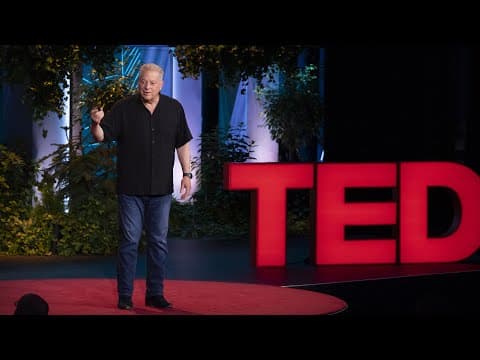
Al Gore emphasizes the urgent need to address the climate crisis, highlighting the obstacles posed by the fossil fuel industry and the financial system. He advocates for immediate action and reform to accelerate the transition to renewable energy and achieve net-zero emissions.
The climate crisis is one of the most pressing issues of our time, and the question remains: how can we speed up the solutions? Al Gore, in his TED talk, expresses his conviction that we can solve the climate crisis, but emphasizes the urgency of acting swiftly. This blog post delves into the key points from his talk, focusing on the challenges posed by the fossil fuel industry and the financial systems that hinder progress.
Gore begins by illustrating the problem succinctly. He describes the troposphere, the lowest part of the atmosphere, where greenhouse gas pollution accumulates. This pollution acts as an open sewer, leading to severe weather events such as droughts, floods, and wildfires. Recent data from gravity-measuring satellites reveals alarming trends: simultaneous droughts and rain bombs are becoming more common, indicating a worsening climate crisis.
Gore highlights recent catastrophic events, including flooding in Montpelier, Vermont, and southern Japan, as well as wildfires in Canada. He notes that scientists are increasingly concerned about the unprecedented low levels of sea ice in Antarctica and rising temperatures in the North Atlantic. These signs of distress underscore the urgency of addressing the climate crisis.
Despite the dire situation, Gore points to significant progress in climate legislation, particularly in the United States with the Inflation Reduction Act. This act represents the largest climate legislation in history, with an estimated impact of over $1 trillion. Other countries, such as Australia and Brazil, have also shifted towards pro-climate policies, and the European Union has resisted external pressures related to the Ukraine conflict.
China has reached its renewable energy targets five years ahead of schedule, showcasing that progress is possible. However, despite these advancements, global emissions continue to rise, indicating that the solutions are not being deployed quickly enough.
Gore identifies two primary obstacles to accelerating climate solutions: the fossil fuel industry and the financial system.
Gore argues that the fossil fuel industry is not a partner in the fight against climate change but rather a significant barrier. He describes how fossil fuel companies have used extensive lobbying and misinformation to slow down legislative progress. The UN Secretary General has labeled the fossil fuel industry as the "polluted heart of the climate crisis."
Gore expresses concern over the fossil fuel industry's influence on international climate negotiations, particularly the COP process. He notes that fossil fuel delegates outnumbered representatives from the most affected countries at recent COP meetings. The appointment of the CEO of the Abu Dhabi National Oil Company as president of COP28 raises further questions about conflicts of interest.
Gore highlights the industry's contradictory pledges to reduce emissions while simultaneously increasing fossil fuel production. He criticizes companies like BP and ExxonMobil for rolling back commitments to renewable energy and for misleading advertising about their environmental initiatives.
The second major obstacle is the financial system, which continues to subsidize fossil fuels. In 2022, governments worldwide provided over $1 trillion in fossil fuel subsidies, five times the amount in 2020. Additionally, major banks have invested trillions into fossil fuel companies while claiming to support net-zero pledges.
Gore emphasizes the need for reform in global financial practices, particularly in how capital is allocated. He calls for the World Bank and other institutions to reduce risks for developing countries, enabling them to invest in renewable energy.
Despite these challenges, Gore remains optimistic about the potential for change. He believes that with the right reforms and removal of obstacles, it is possible to reduce emissions by 50% within the next seven years. Key areas for improvement include:
Gore concludes by urging individuals and communities to remain hopeful and engaged. He emphasizes that the will to act is a renewable resource, and with collective effort, humanity can overcome the climate crisis.
Al Gore's TED talk serves as a powerful reminder of the urgent need to confront the fossil fuel industry and reform financial systems to accelerate climate solutions. By addressing these obstacles, we can work towards a sustainable future and mitigate the impacts of climate change. The time to act is now, and every effort counts in this critical race against time.



















