
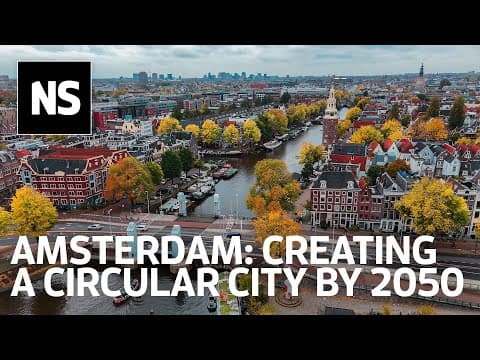
Amsterdam aims to become the world's first circular city by 2050, eliminating waste and using no new materials. This blog explores the city's innovative projects, including recycling initiatives, sustainable building practices, and community engagement to achieve this ambitious goal.
Cities are often vibrant hubs of life and work, but they also contribute significantly to environmental issues, accounting for approximately 75% of global carbon emissions. In response to this challenge, Amsterdam has set an ambitious goal: to become the world's first circular city by 2050. This transformation aims to eliminate the use of fresh virgin materials and recycle all waste, effectively producing no waste at all. The city also plans to halve its raw material usage by 2030, a mere five years away. This blog post delves into the innovative projects and strategies Amsterdam is implementing to achieve these goals.
To embark on the journey towards becoming a circular city, Amsterdam first needed to identify where to focus its efforts. The city developed a circular monitor to track material consumption, throughput, and waste production. The findings revealed that the built environment, including buildings, roads, food, and electronics, had the highest environmental impact. This insight helped prioritize areas for intervention.
The city government estimates that Amsterdam uses around 300,000 tons of materials annually for building and repairing roads, pavements, and cycle paths. One innovative project involves repurposing old bricks from an old bus station. A robot is being trained to stack these slightly misshapen bricks, making it easier to maintain roads sustainably.
Rob, a project leader, explained the importance of reusing materials to lower carbon footprints and create sustainable business models. As raw materials become scarcer and more expensive, reusing high-quality materials is not only environmentally responsible but also economically sensible.
Another significant area of focus is the lifecycle of solar panels. Researchers in Amsterdam are working on a project called Fair PV, which aims to develop a repairable and sustainable solar panel design. Unlike traditional solar panels, which are glued together, the new design allows for easier disassembly, enabling the recovery of valuable materials like silicon and silver for reuse in new panels. This innovation addresses the current challenge of downcycling solar panels, where valuable components are often lost in the recycling process.
Food waste is another critical issue, with families in Amsterdam generating an average of half a kilo of food waste per day. To combat this, the city is installing innovative dewatering machines in newly built apartments. These machines process food waste to extract valuable nutrients and reduce the volume of waste sent for incineration. The goal is to create compost, biogas, and even bioplastics from the waste, contributing to a circular economy.
Amsterdam's waterways are also a significant concern, as cities are major contributors to ocean plastic pollution. The city has implemented a system to capture waste before it enters the sea. A floating curtain combined with a catching system collects trash from the canals, preventing it from flowing into larger bodies of water. This initiative not only helps clean the waterways but also provides valuable data on the types and quantities of waste, informing future prevention strategies.
The transition to a circular city requires the involvement of everyday citizens, researchers, and policymakers. Amsterdam views itself as a living lab, experimenting with new ideas and documenting lessons learned for replication in other cities. The aim is to foster a culture of sustainability, where communities actively participate in caring for their resources and environments.
Amsterdam's journey towards becoming a circular city by 2050 is ambitious and multifaceted. The city's efforts to innovate in construction, recycling, food waste management, and pollution prevention highlight the importance of collaboration among various stakeholders. While significant progress has been made, the path ahead remains challenging. The success of this initiative will depend on continued community engagement and the willingness to adapt and learn from both successes and setbacks. As Amsterdam leads the way, it sets a precedent for cities worldwide to follow in the pursuit of sustainability and environmental responsibility.



















