
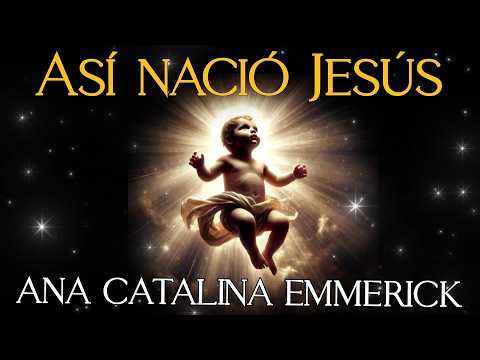
Ana Catalina Emmerick's vision offers a vivid and detailed narrative of the birth of Jesus, describing the humble setting, the preparations by Joseph, Mary's devout prayers, and the divine light surrounding the event. The vision emphasizes the sanctity, love, and spiritual significance of this momentous occasion.
Ana Catalina Emmerick, a mystic and visionary, provided a profound and detailed account of the birth of Jesus through her visions. This narrative offers a vivid glimpse into the humble circumstances, the spiritual atmosphere, and the divine presence surrounding the nativity.
Late in the evening, Joseph and Mary arrived at the entrance of a grotto. Their donkey, which had been wandering around the city, joyfully ran to meet them and began to jump near them. Observing this, Mary remarked to Joseph that it must be God's will for them to enter this place.
Joseph led the donkey under the eaves in front of the grotto and prepared a seat for Mary. Inside, the entrance was somewhat blocked by bundles of straw and mats leaning against the walls, and various objects inside made passage difficult. Joseph cleared a comfortable spot for Mary on the eastern side, hung a lit lamp on the wall, and helped Mary lie down on a bed made of blankets and wrappings.
Joseph humbly apologized for the humble shelter, but Mary felt happy and filled with holy joy.
Joseph went behind the hill to a meadow with a spring to fetch water and returned to the grotto. Later, he went to the city to acquire small containers and some charcoal. As the Sabbath approached, many foreigners had entered the city, and food stalls were set up on street corners selling essential items.
Joseph returned with burning coals in a caged box, placed them at the grotto's entrance, and lit a fire with a small bundle of twigs. He prepared a simple meal of bread rolls and cooked fruits. After eating and praying, Joseph prepared a bed for Mary, laying down a bed of reeds covered with a blanket and placing another rolled up as a pillow. He brought the donkey inside, tied it where it would not disturb, sealed the openings of the vault to block the cold air, and arranged a small resting place for himself at the entrance.
At the start of the Sabbath, Joseph and Mary recited the appropriate prayers under the lamp. Joseph then went out to the city, while Mary wrapped herself in her clothes to rest. During Joseph's absence, Mary was seen praying on her knees and later lying down on her side with her head resting on her arm.
Joseph returned late, prayed once more, and humbly lay down at the grotto's entrance. Mary spent the Sabbath praying and meditating with great concentration. Joseph left several times, likely visiting the synagogue in Bethlehem. They ate food prepared earlier and prayed together.
In the afternoon, during the customary Sabbath walk, Joseph took Mary to the grotto of Mara, the nurse of Abraham. This grotto was more spacious than the manger grotto, and Joseph arranged another seat there. He also prayed and meditated under a nearby tree until the Sabbath ended. Joseph then brought Mary back because she told him the birth would occur that very night at midnight.
When nine months had passed since the Angel of the Lord's salutation, Mary asked Joseph to prepare everything so they could honor the arrival of the promised child in the best possible way. She also requested that Joseph pray with her for those who, due to the hardness of their hearts, had refused them hospitality.
Joseph offered to bring two pious women from Bethlehem to assist, but Mary said they did not need anyone's help.
As the sun set before the Sabbath ended, Joseph returned to Bethlehem to buy necessary items: a bowl, a low table, dried fruits, and raisins. He brought these back to the grotto, then went to the grotto of Mara and took Mary to the manger grotto. Mary sat on her blankets while Joseph prepared food. They ate and prayed together.
Joseph prepared a bed for Mary with a layer of reeds covered by a blanket and another rolled up as a pillow. He brought the donkey inside, tied it securely, sealed the air openings, and arranged a resting place for himself.
The night grew darker and denser, and Joseph led Mary to the grotto of Mara, a more beautiful and spacious place. They prayed under a tree, pleading earnestly to the eternal God.
When the Sabbath ended, Joseph returned Mary to the manger grotto, as she indicated the birth would happen at midnight.
The light surrounding Mary grew increasingly dazzling, surpassing the brightness of the lamps Joseph had lit. Mary, dressed in a wide, faded garment, knelt on her bed facing east. The entire grotto seemed aflame, and Mary was enveloped in a supernatural light.
Joseph observed this as Moses saw the burning bush, filled with holy fear. He entered his cell and prostrated himself in prayer.
Mary spent most of her time praying, lifted in ecstasy, gazing upon her God, of whom she had become the mother. The eternal Word, a fragile child, lay on the ground before her.
Joseph received the child with tears of joy, praying and praising alongside Mary. The angels' song was immense, beyond Joseph's hearing.
Joseph separated the sleeping area from the rest of the grotto using poles and mats. He fed the donkey, filling its manger with reeds, grass, and moss, covering it with a blanket. When Mary indicated the time was near, Joseph hung several lit lamps from the ceiling and left the grotto after hearing a noise at the entrance.
The donkey, which had been wandering freely, returned joyfully and was tied under the eaves with its forage.
Mary was seen praying on her knees, facing east, surrounded by a radiant light. Joseph, filled with reverence, prayed deeply.
The birth was marked by an overwhelming light that made the lamps invisible. The heavens opened, and a vast chorus of angels sang. Mary was clothed in a white garment enveloping her completely. She was seen sitting, kneeling, standing, reclining, or sleeping during the first days, never appearing ill or fatigued.
Joseph and Mary prayed with love and faith, their humble home filled with divine grace.
The child was placed in the manger, arranged by Joseph with straw, beautiful plants, and a blanket. The manger rested on a rock ledge to the right of the grotto's entrance, which widened toward the south.
Mary and Joseph remained on either side, shedding tears of joy and singing hymns of praise.
Joseph brought Mary's resting seat and bed next to the manger. Mary continued to be seen in her white garment, engaged in prayer and rest, always serene and strong.
The entire scene was filled with light, love, and the presence of God, marking the arrival of the Savior of the world.
Ana Catalina Emmerick's vision provides a deeply moving and detailed portrayal of the birth of Jesus. It highlights the humility of the setting, the devotion and care of Joseph, the sanctity and joy of Mary, and the overwhelming divine presence that marked this pivotal moment in history. This vision invites reflection on the profound love and grace surrounding the nativity and the hope it brings to humanity.



















