
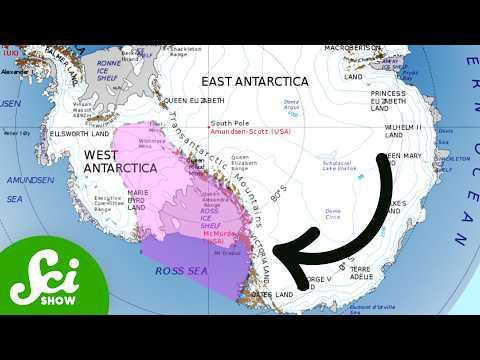
Antarctica, home to over a hundred volcanoes, faces increased volcanic activity due to climate change. As ice melts, it reduces pressure on magma chambers, potentially leading to more eruptions, which could destabilize ice sheets and raise sea levels.
When you think of Antarctica, the first image that comes to mind is likely that of vast ice sheets. However, beneath this icy exterior lies a surprising reality: Antarctica is also home to numerous volcanoes. In fact, there are more than a hundred volcanoes hidden beneath or emerging from its massive ice sheet. Understanding the dynamics of these volcanoes is crucial, especially as climate change threatens to increase their activity.
Lurking beneath the West Antarctic Ice Sheet is one of the largest volcanic regions in the world. The first recorded eruption in Antarctica occurred less than a year after Europeans reached the continent in 1820, but this was not the first volcanic activity in the region. Volcanic eruptions have been part of Antarctica's geological history since it began breaking away from the supercontinent Gondwana approximately 190 million years ago. In fact, the breakup itself was likely triggered by a large plume of magma rising from the mantle.
Over millions of years, tectonic forces have pulled western Antarctica apart, forming the West Antarctic Rift System. This rift system provides pathways for magma to rise, resulting in the formation of volcanoes. Among these, Mount Erebus stands out as the second tallest volcano on the continent, notable for its persistent lava lake that has existed since at least the 1970s.
Currently, there are over 100 volcanoes in Antarctica, including those under the sea and on nearby islands. However, only 19 have erupted in the last 10,000 years, and just 8 large volcanoes are considered active today. This number, however, may soon increase due to the impacts of climate change.
The relationship between a warming planet and volcanic activity is complex. As global temperatures rise, ice sheets in Antarctica are melting at an alarming rate. This melting process leads to a phenomenon known as isostatic rebound, where the reduction in weight from the melting ice allows the crust to rise. This change in pressure can have several significant effects on volcanic activity:
These processes suggest that the melting of ice sheets can significantly increase the likelihood of volcanic eruptions.
Antarctica is not alone in this regard; other regions with similar geological features, such as Iceland and Alaska, also face potential volcanic threats due to melting ice. Research conducted in Iceland during the late 20th century revealed a dramatic increase in eruption rates, coinciding with the deglaciation following the last ice age. A study from 1996 linked this increase to the melting of a 2-kilometer thick ice sheet, which resulted in the production of vast amounts of magma.
In modern-day Iceland, approximately 10% of the largest ice cap has melted since 1890, causing the ground to rise by about 2.5 centimeters annually. This melting is estimated to produce around 1.4 cubic kilometers of additional magma each century, potentially leading to an extra eruption every 30 years.
Recognizing the differences between Iceland and Antarctica, researchers conducted a 2024 study using computer models to simulate how Antarctic magma chambers would respond to melting ice sheets. The findings indicated that whether the melting occurs rapidly or at a slower pace, it could trigger eruptions. The study predicts that future eruptions in Antarctica will become more frequent and prolonged due to the destabilizing effects of melting ice.
This scenario poses a significant risk, as eruptions beneath ice can create a feedback loop. The heat from erupting lava can melt the base of the ice sheet, destabilizing it and potentially causing it to collapse into the ocean. This collapse would further reduce pressure on the magma chamber, leading to even more eruptions. Additionally, the melting ice contributes to rising sea levels, which can have widespread impacts on coastlines around the world.
While the immediate threat of volcanic eruptions in Antarctica may not manifest overnight, the potential for increased activity over the coming centuries is a cause for concern. The models suggest that the interplay between volcanic eruptions and climate change is an important factor to consider in long-term climate and ice sheet forecasts. As we continue to monitor these developments, it is crucial to recognize that the hidden volcanoes of Antarctica may soon become a more prominent issue in discussions about climate change and its global impacts.
As we face the realities of climate change, the prospect of volcanic eruptions in one of the coldest places on Earth adds another layer of complexity to an already challenging situation.
Stay informed and prepared, as the consequences of these geological phenomena could extend far beyond the icy shores of Antarctica.



















