
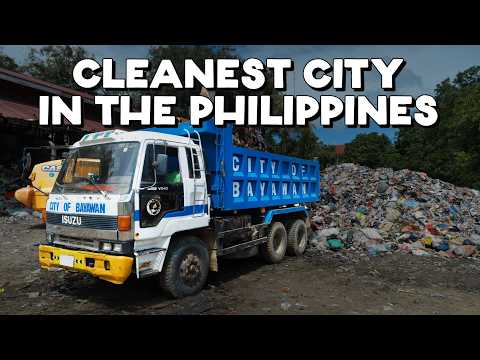
Bayawan City in Negros Oriental stands out as a model for effective waste management in the Philippines, showcasing successful segregation practices, community involvement, and innovative recycling methods that could inspire other cities to tackle their waste crises.
Bayawan City, located in Negros Oriental, has emerged as a beacon of hope in the Philippines' ongoing battle against waste management issues. With a population exceeding 119 million, the Philippines faces a significant garbage crisis, contributing to global plastic pollution at an alarming rate. However, Bayawan City has implemented effective waste management strategies that could serve as a blueprint for other cities across the nation.
The garbage crisis is not just a local issue; it is a global challenge. According to a study by Utility Bidder, the Philippines is the leading contributor to plastic pollution in the oceans, averaging 3.3 kg of plastic waste per person annually. This statistic is particularly concerning given the country's daily solid waste generation of approximately 61,000 metric tons, enough to fill 37 Olympic-sized swimming pools. Recent flooding events have further highlighted the consequences of poor waste management and inadequate drainage systems.
The transformation of Bayawan City began in 2000 with the enactment of the Solid Waste Management Act (RA 9003), which mandated local government units (LGUs) to develop solid waste management plans. A critical component of this plan was the implementation of waste segregation at the source, which required a significant shift in community behavior.
In 2004, Bayawan City established a waste management system and an ecology center, fostering a culture of cleanliness, discipline, and environmental accountability. Over two decades, the city has made remarkable progress towards achieving a zero waste status. The community's commitment to cleanliness is evident, with residents actively participating in waste segregation and management.
The success of Bayawan City's waste management efforts can be attributed to the active involvement of its residents. Information, Education, and Communication (IEC) campaigns were conducted to educate the public about the importance of waste segregation. Initially met with resistance, the community gradually embraced the initiative, recognizing the benefits of a cleaner environment.
Waste management enforcers play a crucial role in ensuring compliance with waste segregation rules. They oversee the collection of segregated waste and issue penalties for non-compliance. The system is designed to encourage residents to follow the rules, with a minimal fee of two pesos for waste collection, which contributes to maintaining the city's cleanliness.
Bayawan City has developed a comprehensive waste management strategy that includes:
In addition to solid waste management, Bayawan City operates a wastewater treatment facility that employs natural methods for purification. The facility utilizes anaerobic and aerobic processes to treat wastewater, ensuring that it meets environmental standards before being discharged.
Residents of Bayawan City take immense pride in their clean surroundings and the collective effort to maintain them. The Bayawanihan spirit, a term that embodies community cooperation and support, is alive and well in this city. The collaboration between local government and residents has fostered a sense of ownership and responsibility towards the environment.
Bayawan City's success in waste management serves as an inspiring example for other cities in the Philippines and beyond. By prioritizing community involvement, education, and innovative practices, Bayawan has demonstrated that it is possible to tackle the waste crisis effectively. As the city continues to strive for zero waste, it invites others to learn from its experiences and adopt similar strategies to create cleaner, healthier communities.



















