
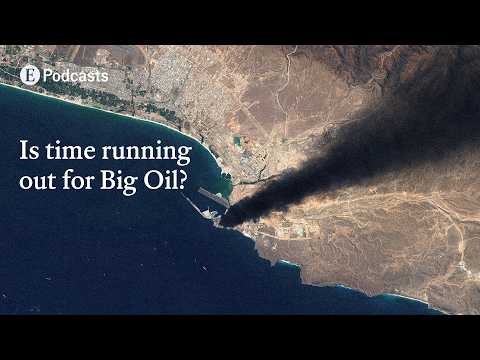
The ongoing conflict around the Strait of Hormuz has created a short-term windfall for big oil companies, especially American gas producers, due to high oil prices. However, the situation poses significant risks to global supply chains, including petrochemicals and fertilizers, potentially leading to food crises. Long-term, the crisis accelerates the shift towards clean energy and electrification, driven by security and economic imperatives rather than just climate concerns.
The Strait of Hormuz, a critical chokepoint for global oil and petrochemical flows, is currently at the center of geopolitical tensions involving Iran. This situation has significant implications for the global economy and energy markets. At the annual energy conference, Sierra Week, held in Houston—the energy capital of the world—industry leaders and experts gathered to discuss these developments.
Despite the global tensions, the atmosphere at Sierra Week was surprisingly upbeat. With over 10,000 attendees, a record number, the event was marked by a nervous yet joyous energy. The liquefied natural gas (LNG) sector, in particular, is benefiting from the conflict, with some industry insiders openly acknowledging their gains from the situation.
Big oil companies are poised to reap a windfall exceeding $60 billion in profits this year if oil prices remain above $100 per barrel. The United States, being a net oil producer and exporter, is somewhat insulated from global supply disruptions, which contributes to the positive sentiment among American energy firms.
However, not everyone shares this optimism. The head of the Emirati national oil company, ADNOC, Sultan Al Jaber, who was unable to attend due to his company dealing with the aftermath of attacks, delivered a stark warning about the broader implications of the conflict. He emphasized that the Strait of Hormuz is not only vital for oil but also for other petrochemical products.
Approximately one-third of the world's fertilizer components—such as urea, ammonia, potash, and sulfur—pass through the Strait of Hormuz. Disruptions here could trigger a significant food crisis later in the year, especially as planting seasons commence in the Northern Hemisphere. Countries like Sudan rely heavily on fertilizer imports from this region, and many developing nations depend on it for a substantial portion of their agricultural inputs.
Additionally, helium, essential for semiconductor manufacturing and thus critical to the AI economy, is sourced significantly from this area. Interruptions in helium supply could have far-reaching consequences for technology sectors worldwide.
Another petrochemical feedstock, naphtha, widely used in Japan and Korea, is also affected. These countries are considering sourcing from Russia, which appears to be one of the few beneficiaries of the current conflict.
Industry insiders at Sierra Week expressed uncertainty about how the conflict will evolve. There is a disconnect between oil prices, which may be influenced by speculation or wishful thinking, and the realities of refined product markets such as jet fuel and diesel, which are experiencing shortages and high prices, particularly in Asia.
The chairman of Chevron highlighted this disconnect and suggested that the current U.S. administration might not fully commit to the conflict, potentially declaring victory prematurely. This could leave lasting damage and a prolonged recovery period for the affected regions and markets.
The handling of sanctions against Iran has been described as inconsistent, with some strategies appearing contradictory, such as temporarily lifting sanctions on Iranian oil to buy time for military actions.
The current situation is often viewed as a short-term supply disruption, with hopes for a negotiated resolution. However, the 1970s oil shocks demonstrated that prolonged crises lead to significant demand destruction and long-term shifts in consumer behavior, such as the move towards more fuel-efficient vehicles.
At Sierra Week, there was little indication that the industry is preparing for such long-term changes. Instead, there is a degree of complacency, despite warnings from military experts like General "Mad Dog" Mattis about the complexities of securing the Strait of Hormuz against modern threats like drones and cruise missiles.
The crisis is accelerating existing global trends towards peak oil demand. This is driven not only by climate change policies but also by technological innovations in clean energy and electric vehicles, which are becoming more affordable and efficient.
Emerging economies, particularly in the sunbelt regions, are leapfrogging traditional energy models by adopting electrification and clean energy solutions. This shift is motivated by energy security concerns, as reliance on imported liquefied natural gas (LNG) becomes less viable due to geopolitical risks and affordability issues.
The conflict underscores the vulnerabilities of global energy supply chains and highlights the urgency for countries to diversify their energy sources and invest in sustainable alternatives.
While big oil companies currently enjoy a substantial financial windfall due to the tensions around the Strait of Hormuz, this advantage is likely temporary. The broader implications of the conflict threaten global supply chains for critical petrochemicals and fertilizers, with potential ripple effects on food security and technology sectors.
Moreover, the crisis is catalyzing a faster transition towards clean energy and electrification worldwide, driven by both security and economic imperatives. The energy landscape is evolving, and reliance on traditional oil and gas is increasingly seen as a strategic vulnerability.
Stakeholders across the globe must navigate these challenges carefully, balancing short-term gains against long-term sustainability and security.



















