
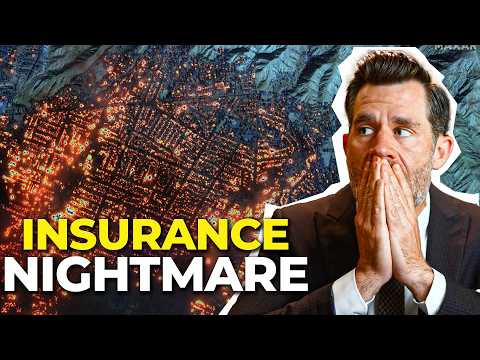
The ongoing wildfires in California are causing unprecedented destruction and leading to a deepening insurance crisis as major companies withdraw from the market. With damages estimated in the hundreds of billions, the implications for homeowners and the insurance industry are severe, raising questions about liability, coverage, and the future of disaster management in the state.
California is currently grappling with multiple wildfires, with wind gusts reaching up to 70 miles per hour. Six different wildfires are raging, causing damage estimated in the hundreds of billions. This situation has led to what many are calling an insurance crisis, as several of the state's largest insurers have either stopped or limited new policies. The wildfires could potentially become one of the most expensive natural disasters in U.S. history.
The Palisades Fire has consumed approximately 42 square miles, nearly the size of San Francisco, incinerating at least a thousand structures in Pacific Palisades, located about 20 miles west of Downtown Los Angeles. Historic sites, including the Will Rogers Ranch House and the Topanga Ranch Motel, have been lost to the flames.
On the other side of the city, the Eaton Fire has burned over 10,000 acres and destroyed an estimated 7,000 structures in Altadena, leaving the community nearly unrecognizable. The iconic Rose Bowl has been repurposed as an evacuation shelter for large animals, while the Sunset Fire threatened motorists on Sunset Boulevard, forcing many to abandon their vehicles.
The wildfires have forced at least 180,000 people to evacuate, with an additional 200,000 under evacuation warnings. Over 1.5 million people are without power, and the fires have resulted in at least 24 deaths and numerous injuries. Thousands of firefighters are battling the flames, which are being fanned by 100-mile-per-hour winds.
As the fires rage on, questions arise about who will pay for the damages. Past incidents, such as the El Dorado wildfire, which was ignited by a gender reveal party, highlight the complexities of liability. In 2018, the Camp Fire, caused by Pacific Gas and Electric (PG&E) due to faulty equipment, resulted in extensive destruction and loss of life. PG&E eventually filed for bankruptcy and settled for $13.5 billion, but many victims were shocked to find they owed taxes on their settlements due to changes in tax law.
Recently, President Biden signed the Federal Disaster Relief Law to prevent disaster victims from being taxed twice on settlement funds, retroactively returning approximately $512 million to wildfire victims.
The ongoing wildfires have exacerbated an already deepening insurance crisis in California. Major insurers like State Farm and Allstate are pulling out of the state, leaving homeowners with fewer options and higher premiums. Standard homeowner's insurance policies typically cover fire damage, but many policies have limits that may not cover the full extent of losses in high-risk areas.
The insurance industry is struggling to keep up with the rising costs of claims due to climate change, leading to increased premiums and reduced coverage options. In California, state-run insurers of last resort, such as the California Fair Access to Insurance Requirements (FAIR) plan, have seen a surge in policyholders, but these plans often come with higher costs and limited coverage.
California has consumer protection laws that allow for a one-year moratorium on insurance cancellations in certain areas after a fire. Governor Newsom has declared a state of emergency, which may invoke these protections. However, the future remains uncertain as the wildfires continue to rage, and the potential for catastrophic losses looms large.
The wildfires in California are not just a natural disaster; they are a complex interplay of environmental factors, human negligence, and systemic failures in the insurance industry. As the state grapples with the immediate aftermath of these fires, the long-term implications for homeowners, insurers, and disaster management will be profound. The need for comprehensive solutions and support for affected communities has never been more urgent.



















