
The California wildfires are a catastrophic result of climate change, exacerbated by disinformation and insurance issues. The fires have disproportionately affected minority communities, revealing systemic racism and the inadequacies of disaster response. As homeowners face rising insurance costs and denials, the need for systemic change becomes urgent.
The wildfires currently ravaging California represent a perfect storm of natural disaster and societal failure. Climate change has intensified these fires, while a significant portion of the population supports a climate change-denying administration. This situation is compounded by disinformation campaigns that mislead the public about the causes and responses to these disasters.
As of now, the largest fire in the Palisades has burned over 23,000 acres and is only 11% contained. The Eaton fire has consumed over 14,000 acres, with 27% containment, while the Hurst fire has burned 800 acres and is nearly fully contained. Tragically, 24 deaths have been reported, with 16 linked to the Eaton fire. The causes of these fires are still under investigation, but arson and utility lines are among the suspected culprits.
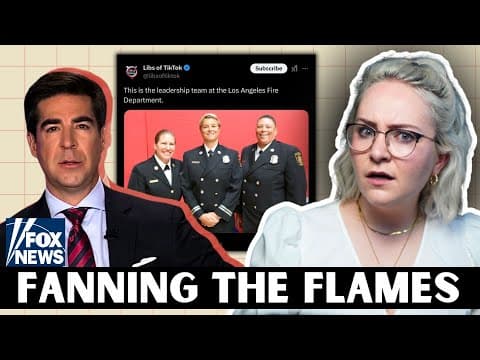
In the midst of this crisis, right-wing figures have been quick to assign blame to the leadership of the Los Angeles Fire Department, particularly targeting women in leadership roles. This narrative, perpetuated by media personalities, suggests that the fires are a result of incompetence rather than the undeniable impact of climate change. Such claims ignore the qualifications and experience of leaders like LA Fire Chief Kristen Crowley, who has dedicated over two decades to the fire department.
Disinformation also extends to accusations about fire hydrants running dry, with some commentators suggesting that prioritizing diversity hiring over infrastructure maintenance is to blame. However, fire hydrants are not designed to combat large-scale wildfires, and the LA Fire Department has faced significant budget cuts that have hampered its disaster preparedness.
The insurance landscape in California is dire. State Farm recently declined to renew fire insurance for 30,000 homes, citing increased exposure to catastrophe. This trend is not isolated; many insurers have pulled out of California, leaving homeowners vulnerable. The law does not require insurance companies to renew policies, and many homeowners find themselves without coverage just as disasters strike.
The California FAIR Plan has seen a steep increase in policies written, but it is not a comprehensive solution. Homeowners are facing skyrocketing premiums, with some seeing their rates increase from $4,500 to $18,000 annually. The financial burden of homeownership is becoming increasingly untenable, especially in disaster-prone areas.
The impact of these wildfires is not felt equally across communities. Environmental racism plays a significant role in how different populations experience disasters. Minority communities, particularly in areas like Altadena, are disproportionately affected by the fires and the subsequent recovery efforts. Historical injustices, such as redlining, have confined many people of color to areas more susceptible to environmental hazards.
The smoke and pollutants from the fires exacerbate existing health disparities, particularly respiratory issues in communities already burdened by industrial pollution. The intersection of race and class in disaster response highlights systemic inequalities that must be addressed.
As the fires continue to wreak havoc, it is crucial to redirect anger and frustration towards systemic issues rather than individuals affected by the disaster. The focus should be on advocating for better policies, supporting those in need, and addressing the root causes of these crises.
Engagement in local activism, supporting disaster relief efforts, and pushing for legislative changes are essential steps toward creating a more equitable and prepared society. The current situation in California serves as a stark reminder of the urgent need for comprehensive reforms in disaster preparedness, insurance regulations, and environmental justice.
The California wildfires are a multifaceted crisis that reveals deep-seated issues within our society. From disinformation campaigns to insurance crises and environmental racism, the challenges are immense. However, by acknowledging these problems and working towards systemic change, we can begin to address the injustices that have been laid bare by this disaster. It is imperative that we stand in solidarity with those affected and advocate for a more just and equitable future.



















