
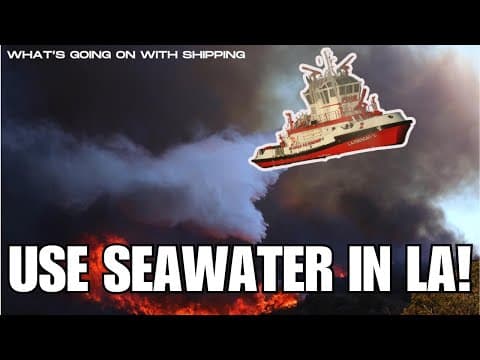
This blog post explores the feasibility of using seawater to fight wildfires in Southern California, addressing common myths and concerns about its effectiveness, environmental impact, and logistical challenges. It highlights the ongoing water shortages faced by firefighters and discusses the potential benefits and drawbacks of utilizing seawater in firefighting efforts.
In recent years, Southern California has faced devastating wildfires, raising the question: can seawater be used to extinguish these blazes? In this post, we will explore the viability of using saltwater in firefighting, addressing common myths and concerns while considering the ongoing water shortages that complicate firefighting efforts.
The primary issue in combating wildfires in Southern California is the shortage of water. As fires rage, many homes are evacuated, but residents often forget to turn off their gas and water supplies. When homes burn down, open pipes can drain significant amounts of water from the supply, exacerbating the shortage.
Water systems in urban areas rely heavily on gravity to maintain pressure. Water towers are designed to refill during off-peak hours, but during a wildfire, the demand can outstrip supply, leading to dangerously low water levels. This situation is not new; historical events, such as the 1906 San Francisco earthquake, highlighted the need for robust water systems to combat fires effectively.
Several myths surround the use of seawater in firefighting. Here, we will address the four main concerns:
One prevalent belief is that saltwater will corrode firefighting equipment. While saltwater can be harsh on metals, proper maintenance can mitigate these effects. Firefighters often use water from various sources, including ponds, which can also contain debris and contaminants. After using saltwater, equipment can be flushed with fresh water to prevent long-term damage.
Another concern is that saltwater does not provide as much cooling as fresh water. While it is true that fresh water may absorb heat more effectively, saltwater can still extinguish fires. In emergency situations, the priority is to put out the fire, and saltwater can be an effective tool in doing so.
Critics argue that using saltwater will harm plant life and create barren landscapes. However, evidence from areas affected by flooding shows that vegetation can recover after being inundated with saltwater. The damage caused by wildfires, including toxic residues from burning structures, poses a greater threat to the environment than the temporary effects of saltwater.
Drawing seawater from the ocean can be logistically challenging. However, fireboats equipped with powerful pumps can transport large quantities of seawater to shore. Additionally, portable pumps can be set up to draw seawater directly from the ocean, allowing for efficient water supply during firefighting operations.
The need for reliable water sources in firefighting has been recognized for over a century. San Francisco, for example, developed a secondary water system after the 1906 earthquake to ensure adequate supply during emergencies. Unfortunately, many cities, including those in Southern California, have not invested in such infrastructure due to financial constraints.
In 2021, the Los Angeles County Fire Department conducted training exercises using seawater to fight fires on ships. Fireboats in the Port of Long Beach can pump thousands of gallons of water per minute, demonstrating the potential for using seawater in firefighting efforts. By establishing relay systems with large-diameter hoses, firefighters can transport seawater to areas in need, enhancing their ability to combat wildfires.
Using seawater to fight wildfires in Southern California is not without its challenges, but it can be a viable option in the face of water shortages. Addressing the myths surrounding its use reveals that with proper planning and maintenance, seawater can be an effective tool in firefighting. As wildfires continue to threaten communities, exploring all available resources, including seawater, is essential for effective fire suppression.
As we navigate the challenges posed by wildfires, it is crucial to support local charities and organizations that assist those affected by these disasters. Together, we can help our communities recover and prepare for future challenges.



















