
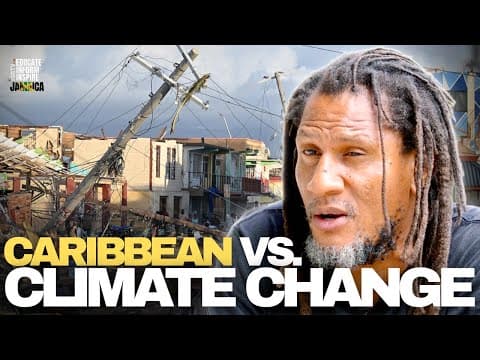
This article explores the impact of industrialism and capitalism from developed countries on the Caribbean's climate, particularly the increase in extreme hurricanes. It discusses the role of pollution, weapons testing, and global warming, and emphasizes the need for sustainable housing, infrastructure, and energy solutions tailored to the Caribbean's unique challenges. The article advocates for technology transfer and long-term strategies over short-term aid.
The Caribbean region faces increasing threats from climate change, particularly in the form of more frequent and intense hurricanes. These natural hazards have devastating impacts on the small island developing states (SIDS) that make up the Caribbean. Understanding the causes and exploring realistic solutions is critical for the survival and prosperity of these nations.
Industrialism and capitalism in developed countries such as the United States, Canada, and European nations have significantly contributed to shifts in weather patterns affecting the Caribbean. The extensive production and pollution from these countries have led to global warming, which in turn intensifies hurricanes and other extreme weather events in the region.
Despite the clear link between industrial pollution and climate change, many developed countries have been slow to take meaningful action. Economic self-interest and cultural mindsets focused on immediate benefits often overshadow the global responsibility to reduce emissions and support vulnerable regions like the Caribbean.
While manufacturing and oil production are major contributors to pollution, there is a less commonly discussed factor: the impact of weapons and warfare. The heat generated from bombs and military activities, including underwater explosions and weapons testing, contributes to global warming and disrupts ocean currents.
These activities not only release heat but also physically alter the environment, such as removing oil that acts as lubrication between tectonic plates, potentially causing shifts that affect weather patterns. Despite international conferences and agreements aimed at addressing climate change, some major polluters, notably the United States, have been reluctant to fully commit to these efforts.
Hurricanes are natural hazards that have always occurred in the Caribbean. However, when these hazards lead to significant damage and loss of life, they become natural disasters. The difference often lies in preparedness and infrastructure resilience.
Proper housing design can significantly reduce damage from hurricanes. For example:
Maintaining effective drainage systems is also crucial to prevent flooding during storms. Regular cleaning and ensuring drains are not blocked by solid waste can mitigate water damage.
While strong winds can uproot trees, replanting and maintaining vegetation is important for environmental stability and reducing erosion.
After hurricanes, aid often arrives in the form of generators and basic supplies. While helpful, this approach is suboptimal. Instead, aid should focus on technology transfer and sustainable solutions such as:
These technologies can be implemented relatively quickly and provide long-term benefits beyond immediate disaster relief.
A significant barrier to progress is the mindset of dependency and short-term fixes. Governments and communities need to shift towards self-reliance and sustainable development. This includes:
Such strategies empower Caribbean nations to better withstand climate impacts and reduce vulnerability.
The Caribbean faces formidable challenges from climate change, exacerbated by global industrialism and geopolitical factors. However, with the right mindset, sustainable housing and infrastructure design, and strategic technology transfer, these nations can improve their resilience.
Moving beyond a culture of dependency towards proactive, long-term solutions is essential. The technology and knowledge exist globally; the key lies in adapting and implementing them effectively within the Caribbean context to ensure a safer and more sustainable future.



















