
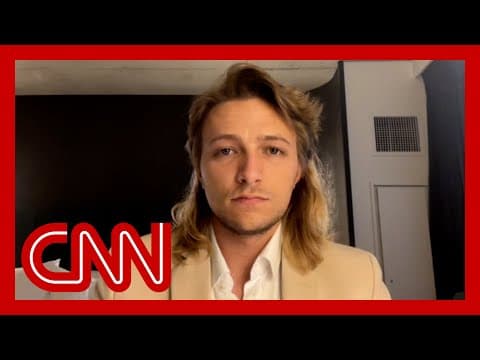
In response to conspiracy theories blaming cloud seeding for the recent Texas floods, Rainmaker CEO Augustus De Rico clarifies the science behind cloud seeding and its limitations. He emphasizes the importance of transparency and the potential benefits of cloud seeding as a climate adaptation tool, while addressing the threats and misinformation surrounding the practice.
In the wake of devastating floods in Texas, many are searching for answers, and some have turned to conspiracy theories. One such theory suggests that cloud seeding is responsible for the catastrophic weather events. Cloud seeding is a process where planes or drones disperse compounds into the atmosphere to encourage precipitation. However, the recent floods, which saw up to 15 inches of rain in Kerr County, far exceed what cloud seeding could realistically achieve.
Cloud seeding is a technology that has been around since the 1940s. It aims to enhance precipitation by introducing materials like silver iodide into clouds. These materials serve as nuclei around which water droplets can form, eventually growing heavy enough to fall as rain or snow. While cloud seeding can be beneficial in drought-stricken areas, it is not a guaranteed solution and cannot induce precipitation on the scale of a tropical storm.
Augustus De Rico, the founder of Rainmaker, a cloud seeding startup, recently spoke out against the accusations linking his company to the floods. He expressed his condolences to those affected by the disaster and clarified that cloud seeding had no role in the recent weather events. De Rico explained that on July 2nd, Rainmaker conducted a cloud seeding operation approximately 100 miles southeast of Kerr County, dispersing about 70 grams of silver iodide over two clouds. He emphasized that the material was released directly into the clouds and would not have remained in the atmosphere long enough to influence subsequent weather patterns.
Despite the scientific explanations, some lawmakers, including Republican Congresswoman Marjorie Taylor Greene, have called for a ban on cloud seeding, labeling it a dangerous practice. Greene's proposed legislation aims to criminalize weather modification, reflecting a growing trend of conspiracy theories gaining traction among certain political factions. De Rico criticized these accusations, stating that they not only misrepresent the technology but also distract from real issues and deprive communities of potential climate adaptation tools.
De Rico highlighted the need for transparency and oversight in cloud seeding practices. He believes that open communication can help dispel myths and educate the public about the technology's capabilities and limitations. He noted that while some individuals have engaged in good faith discussions about cloud seeding, others have resorted to threats and misinformation.
The conversation around cloud seeding is not isolated; it reflects a broader issue of how conspiracy theories can influence public perception and policy. The Environmental Protection Agency (EPA) has also addressed related conspiracy theories, such as those surrounding chemtrails, which inaccurately claim that contrails from aircraft are harmful chemicals intentionally released into the atmosphere. The EPA has clarified that these claims are unfounded and that contrails are simply a byproduct of air traffic.
As the discourse around cloud seeding and its implications continues, it is crucial to approach these discussions with a commitment to factual information and scientific understanding. The potential benefits of cloud seeding as a climate adaptation tool should not be overshadowed by conspiracy theories that lack evidence. By fostering transparency and addressing concerns directly, stakeholders can work towards a more informed public dialogue about weather modification technologies and their role in addressing climate challenges.



















