
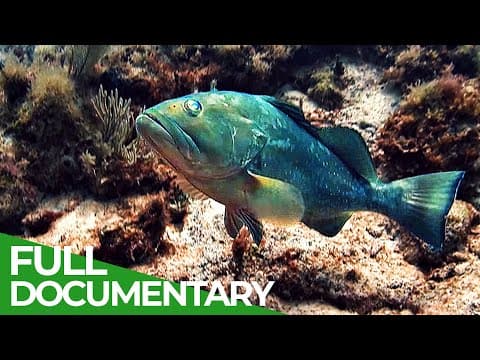
The documentary 'Changing Seas' explores the alarming decline of marine ecosystems, particularly in Florida, due to overfishing, pollution, and climate change. It highlights the efforts of scientists to monitor fish populations, the importance of marine protected areas, and the interconnectedness of marine health with human activity.
The documentary "Changing Seas" delves into the critical state of our oceans, particularly focusing on the Florida Keys, a renowned fishing and diving destination. Home to the third largest barrier reef in the world, the Florida Keys support an annual economy of approximately $6 billion. However, the health of its coral reefs and fish populations has drastically declined due to increased human activity and environmental pressures.
As Florida's population has surged, the health of its coral reefs, which are vital for the fishing industry, has suffered significantly. Overfishing has led to a dramatic decrease in fish populations, prompting scientists to conduct regular surveys to assess the situation. A team of scientists dives into the waters to count and size the fish, aiming to gather data on the health of coral reef fish populations.
To understand fish populations better, scientists employ a streamlined process for data collection. In remote locations like the Dry Tortugas, they conduct around 100 dives a day, utilizing a custom ship and a skilled crew. This efficient method allows them to cover large areas and gather data that has previously been unattainable.
The Dry Tortugas National Park, often overlooked, is primarily underwater, with 97% of its area comprising magnificent marine resources. The park's coral reefs have seen a significant decline over the past fifty years, exacerbated by increased fishing pressures and human activity. Scientists have categorized the reef into various habitats to focus their research on areas where fish populations are most likely to thrive.
The scientists use a unique method for data collection, diving in teams and employing a systematic approach to count fish. Each diver is trained to estimate fish sizes accurately, which is crucial for understanding population dynamics. They also collect data on habitat conditions and water quality, linking these factors to fish populations.
Overfishing is not the sole culprit behind the decline of fish populations. Pollution and coastal development have also played significant roles. In the 1990s, alarming discoveries revealed that many fish populations were below sustainable levels, prompting regulatory changes and the establishment of marine protected areas.
Marine protected areas (MPAs) have been created to allow fish populations to recover. These areas provide a refuge from fishing pressures, enabling ecosystems to regenerate. Research indicates that MPAs can lead to increased fish sizes and populations, benefiting both the environment and local economies.
The health of marine ecosystems is intricately linked to human activity. Dolphins, as apex predators, serve as indicators of ocean health. Studies have shown that contaminants in the water can lead to serious health issues in dolphin populations, raising concerns about the broader implications for human health.
Persistent organic pollutants (POPs) and heavy metals like mercury have been found in high concentrations in dolphins, leading to immune dysfunction and reproductive issues. The connection between dolphin health and human health is becoming increasingly evident, as both species share the same aquatic environment.
Seagrasses and mangroves are crucial components of coastal ecosystems, providing habitat and stabilizing shorelines. However, these habitats are declining at alarming rates due to human activities. The loss of seagrass and mangrove habitats threatens the entire marine food web, highlighting the need for restoration efforts.
Efforts to restore seagrass and mangrove communities are underway, with initiatives aimed at reestablishing these vital ecosystems. These restoration projects not only enhance biodiversity but also provide economic benefits by supporting fisheries and tourism.
The documentary "Changing Seas" serves as a wake-up call regarding the perilous state of our oceans. It emphasizes the urgent need for sustainable practices, effective management of marine resources, and the importance of protecting marine habitats. As we face the challenges of climate change and human impact, it is crucial to prioritize the health of our oceans for future generations.



















