
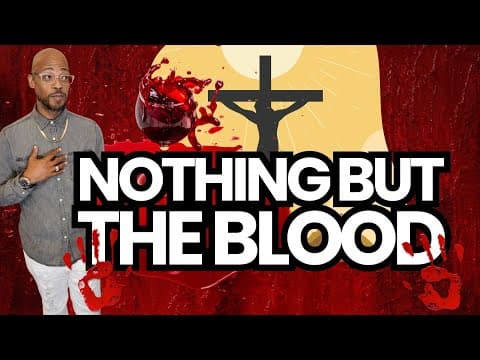
This blog post explores the problematic theology of blood sacrifice in Christianity, arguing that the emphasis on suffering and blood as a means of salvation is a form of emotional manipulation and control. It critiques the notion that pain is holy and examines the historical and cultural implications of this belief, ultimately advocating for a faith that does not require suffering for love or acceptance.
The central symbol of Christianity, a tortured man nailed to a cross, raises profound questions about the nature of God and the message of love within the faith. This post delves into the troubling theology that equates blood with love, suggesting that the obsession with sacrifice is not divine but rather a mechanism of control.
From a young age, many are taught that Jesus died for their sins, a message reinforced through hymns and sermons. This narrative suggests that someone had to suffer for individuals to be deemed lovable. However, this idea can be seen as emotional blackmail rather than true salvation. The question arises: what if this fixation on blood was never about saving souls but about controlling them?
The concept of suffering as sacred did not originate with Paul; it traces back to Jesus himself. He instructed his followers to "take up your cross" and implied that suffering was a prerequisite for entering the kingdom of God. This framing of suffering as an entry fee twisted the message of love into a mechanism for loyalty.
Paul expanded on this idea, making suffering not just a test of faith but a requirement for salvation. This doctrine taught that pain was proof of holiness, leading to a culture where emotional and physical suffering became synonymous with devotion.
The sacrificial logic within Christianity serves as a power play. It raises the question of who benefits from a system where suffering is equated with holiness. Theologian René Girard noted that cultures often use sacrifice to stabilize power, creating a scapegoat to unify and control the masses. In Christianity, Jesus' death did not dismantle this sacrificial system; instead, it enshrined it, turning it into doctrine.
The idea of redemptive suffering has conditioned believers to accept pain as divine. This conditioning can lead to enduring abuse and injustice under the guise of faith. The notion that love must hurt and that loyalty equates to obedience creates a cycle of trauma, known as religious trauma syndrome. Many individuals struggle to say no, having been taught that pleasing God requires self-denial.
Children raised in this environment internalize harmful messages about love and worth. They learn that they are broken by default and that pain is a necessary part of life. This indoctrination can lead to anxiety, self-harm, and a distorted view of love and faith.
The belief that pain has purpose can silence individuals, compelling them to stay in harmful situations because suffering is seen as a test from God. This myth has cost many their safety and dignity, allowing abusers to escape accountability while victims are left to bear the burden of their pain.
The theology of blood sacrifice has historical roots that extend beyond personal faith. It has justified colonialism, slavery, and violence in the name of Christ. This legacy continues to shape policies and societal norms today, perpetuating cycles of trauma and oppression.
It is crucial to recognize that one does not need to suffer or witness suffering to lead a meaningful life. Compassion and love can exist without the need for bloodshed. Many spiritual frameworks emphasize connection and accountability without requiring sacrifice.
The obsession with blood in Christianity has deeply influenced individual identities and societal structures. It has taught many to equate pain with holiness and guilt with love. However, it is possible to redefine these narratives, embracing a faith that does not require suffering for acceptance.
If you resonate with this message, know that you are not alone. There is a community of individuals who have survived similar experiences and are ready to support one another in building a healthier understanding of faith and love. You are allowed to seek a narrative where love does not require suffering, and you do not owe your joy to a cross.
Stay free, stay curious, and continue to rise above the constraints of harmful theology.



















