
This blog post discusses the aftermath of the recent wildfires in Southern California, focusing on the cleanup efforts led by the Environmental Protection Agency, the challenges faced, and the innovative use of technology in humanitarian aid delivery.
In early February 2025, the aftermath of devastating wildfires in Southern California has left communities grappling with destruction and loss. As the fires were finally contained, attention has shifted to the extensive cleanup efforts required to restore the affected areas. This blog post explores the current situation, the challenges faced by recovery teams, and the innovative technologies being employed to aid in the recovery process.
The Palisades and Eton fires, which broke out nearly a month prior, have been recorded as the second and third most destructive wildfires in California's history. Over 37,000 acres were scorched, resulting in the destruction of homes and businesses, and tragically, the loss of lives. As the flames subsided, the focus turned to the hazardous aftermath left behind.
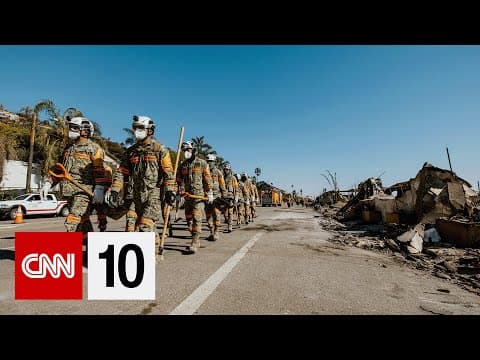
The Environmental Protection Agency (EPA) has initiated a meticulous cleanup process, referred to as Phase One. This phase involves the identification and removal of hazardous materials that remain in the wake of the fires. Crews, donned in hazmat suits, are sifting through the ashes of what were once homes, marking areas that have been checked for dangerous substances.
Harry Allen, an EPA veteran with over 20 years of experience in wildfire recovery, highlighted the types of hazardous materials being targeted. These include common household goods, paints, oils, and propane tanks that may not have been completely burned. A significant concern is the presence of partially damaged batteries, which can pose a fire risk if not handled properly.
Once Phase One is completed, the next step involves either public or private contractors who will begin the process of debris removal from each property. The scale of the disaster is immense, and the timeline for completing the cleanup remains uncertain. Community leaders are under pressure to expedite the recovery process to help displaced residents begin rebuilding their lives.
In addition to the physical cleanup efforts, technology is playing a crucial role in delivering humanitarian aid to those affected by disasters. Drones, specifically the ultramark I, are being utilized to reach areas that are otherwise inaccessible due to the destruction caused by the wildfires.
The ultramark I is a self-flying cargo drone designed to deliver aid and health supplies efficiently. With double the power and payload capacity of its predecessor, this drone can operate day or night, covering distances of up to 621 miles (1,000 km) without the need for a remote pilot. This innovation aims to reduce the costs associated with delivering humanitarian aid to remote communities, especially in the wake of disasters.
Organizations like the World Food Program are embracing the use of unmanned aerial vehicles (UAVs) to alleviate humanitarian challenges. While drones are not expected to replace traditional aid delivery methods, they provide a valuable tool for delivering time-sensitive supplies to those in need.
The cleanup efforts following the wildfires in Southern California are a testament to the resilience of communities and the dedication of recovery teams. As hazardous materials are removed and debris is cleared, the integration of technology in humanitarian aid delivery offers hope for more efficient recovery processes in the future. The journey to recovery is long, but with concerted efforts and innovative solutions, affected communities can begin to heal and rebuild.



















