
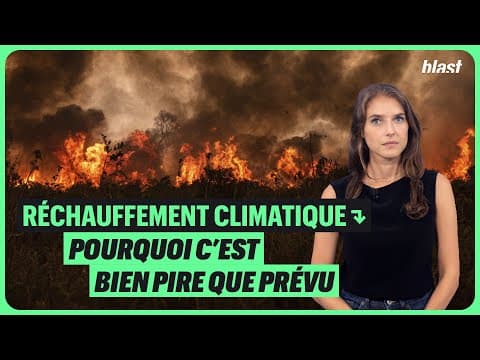
The summer of 2023 has been the hottest on record, with extreme heat waves and devastating wildfires impacting various regions globally. The effects of climate change are intensifying, leading to severe consequences for human health, ecosystems, and the planet's habitability. This blog post explores the alarming trends in climate change, the urgent need for action, and the philosophical questions surrounding our response to this crisis.
As we transition back into the routine of daily life after summer, many may have chosen to disconnect from the news, perhaps avoiding thoughts of climate change and its increasingly severe impacts. However, for others, the reality of climate change has been impossible to ignore, whether through witnessing nearby forests ablaze, suffering from extreme heat, or being displaced by flooding.
June 2023 marked the hottest month ever recorded globally, with the Earth breaking temperature records twice within just two days in July. While the world celebrated Olympic records, the planet's distress went largely unnoticed. The reality is stark: the Earth is on the brink of becoming uninhabitable, with many regions already experiencing this fate.
Extreme heat waves have swept across the globe, affecting 140 million people in the United States alone, and causing thousands of deaths worldwide. The Amazon rainforest is burning at unprecedented rates, with Brazil declaring a state of emergency in 45 cities due to rampant wildfires. Greece faced uncontrollable fires that forced the evacuation of thousands, while the Mediterranean experienced marine heat waves that devastated underwater vegetation.
The Antarctic is experiencing historic heat, with temperatures soaring 30 degrees above normal, raising concerns about uncontrollable ice melt. Meanwhile, Bangladesh is nearly submerged due to severe flooding, illustrating the dire consequences of climate change.
The summer of 2023 has been officially recognized as the hottest on record, with scientists warning that global warming is accelerating faster than anticipated. This situation was predicted decades ago, yet the urgency of the crisis remains unaddressed.
A common misconception arises when people equate weather with climate. Weather refers to short-term atmospheric conditions, while climate is the long-term average of these conditions over decades or centuries. The current trend indicates an increase in extreme heat events, despite occasional cooler days.
In France, for instance, while some regions experienced a cooler start to summer, the southeast was already suffering from extreme heat. The long-term trend shows that heat waves are becoming more frequent and intense, with projections indicating that their occurrence will double in the next 30 years.
In 2023, over 47,000 people died in Europe due to heat, with 5,000 fatalities in France alone. The frequency and intensity of heat waves have increased dramatically since the 20th century, with annual occurrences now the norm. The World Meteorological Organization estimates that heat-related deaths could reach half a million annually, with the true toll potentially being much higher.
The most vulnerable populations, including outdoor workers, the homeless, and the elderly, are disproportionately affected by extreme heat. A study published in 2023 revealed that for every 0.1-degree increase in temperature, an additional 140 million people will be exposed to dangerous heat levels.
Recent studies indicate that carbon sinks, such as forests and soils, are failing to absorb CO2 at previous rates due to severe wildfires and prolonged droughts. This decline in carbon absorption could lead to a rapid increase in atmospheric CO2 levels, exacerbating climate change beyond current models' predictions.
In Canada, wildfires released 647 million tons of carbon into the atmosphere in just five months, pushing the country to become the fourth-largest emitter globally. The Amazon rainforest and the Pantanal wetlands are also facing catastrophic destruction, driven by both climate change and industrial exploitation.
The United Nations has called for urgent global action to address extreme weather events and protect vulnerable populations. However, current political measures are insufficient to meet the escalating crisis. The ecological emergency is often sidelined in political discourse, despite its critical importance for human health and survival.
Philosopher Emmanuel Kant's questions—What can I know? What should I do? What may I hope for?—serve as a framework for understanding our current predicament. The urgency of climate action is clear, yet many feel overwhelmed by despair and helplessness.
Accepting the gravity of the situation is essential for moving forward. Emotions such as anger, fear, and despair are valid responses to the climate crisis. However, these feelings can also motivate action and engagement.
Individual actions, such as reducing meat consumption or avoiding plastic, reflect a recognition of the climate emergency. Collective action is crucial; we must demand policies that align with the urgency of the crisis and hold corporations accountable for their environmental impact.
As we face this unprecedented challenge, it is vital to remember that every fraction of a degree matters, and every species saved is a victory. The fight against climate change requires a united front, with activists, scientists, and citizens working together to create a sustainable future.
The climate crisis is not a distant threat; it is a present reality that demands immediate action. We must confront the uncomfortable truths about our world and strive for meaningful change. As we navigate this complex landscape, let us remember that hope lies in our collective efforts to combat climate change and protect our planet for future generations.



















