
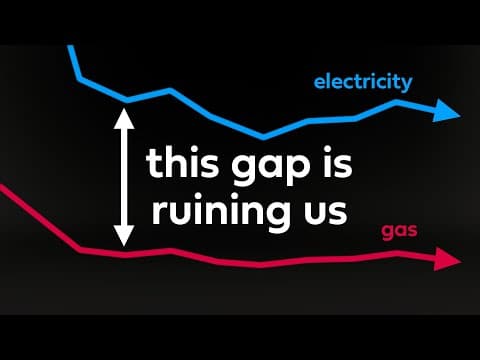
The biggest barrier to achieving net zero in the UK is the significant price difference between electricity and natural gas, known as the spark gap. This gap hinders the transition to cleaner energy sources like heat pumps and electric vehicles. To close this gap, the UK must reduce fossil fuel subsidies, share policy costs more equitably, and invest in renewable energy technologies. A balanced approach is essential to ensure a just transition that does not leave vulnerable populations behind.
Achieving net zero emissions is a pressing goal for many countries, including the UK. However, experts agree that significant barriers remain in the way of this objective. One of the most critical barriers is the disparity in energy prices, commonly referred to as the spark gap. This article explores the implications of the spark gap, its causes, and potential solutions to facilitate a transition to cleaner energy.
The spark gap represents the price difference between electricity and natural gas. In the UK, as of July this year, the price for electricity is approximately 6.33 pence per kilowatt-hour, nearly four times higher than that of natural gas. This persistent gap has significant implications for energy consumption and carbon emissions.
The urgency to close the spark gap stems from the need to reduce carbon emissions, which are contributing to climate change at an alarming rate. Burning natural gas produces between 350 and 400 grams of CO2 per kilowatt-hour, while electricity generation in the UK has seen a reduction in carbon intensity, averaging about 130 grams of CO2 per kilowatt-hour. This shift is largely due to the phasing out of coal and the increased use of low-carbon energy sources, particularly wind power.
Electrifying systems such as household heating and transportation is essential for reducing emissions. However, the high cost of electricity compared to natural gas is a significant barrier to this transition. Many individuals recognize the environmental benefits of heat pumps and electric vehicles but are deterred by the economic implications.
To understand how to close the spark gap, it is crucial to analyze the components that contribute to the prices of electricity and gas.
The price of gas includes several components:
Recent geopolitical events, such as Russia's invasion of Ukraine, have driven up wholesale gas prices. The UK government subsidizes gas through various means, including production and consumption subsidies, which total billions annually. Reducing these subsidies could be a significant step toward closing the spark gap.
Electricity prices are similarly composed of:
The disparity in policy costs arises from the historical approach to funding low-carbon electricity versus green gas development. This has resulted in cleaner electricity being more expensive than gas, further widening the spark gap.
One of the most effective ways to close the spark gap is to reduce fossil fuel subsidies. This would not only make gas more expensive but also discourage reliance on fossil fuels, which contribute to environmental degradation.
Another actionable step is to share policy costs between electricity and gas or shift them to general taxation. This would help balance the costs associated with cleaner energy and make electricity more competitive.
The UK government is currently reviewing its electricity market arrangements (REMA). A potential reform could involve changing how electricity prices are calculated, moving away from marginal pricing, which often ties electricity prices to gas prices. However, this approach carries risks that could deter investment in renewable energy.
The UK has made significant strides in renewable energy, particularly offshore wind. However, to continue this momentum, investment in new technologies, such as floating offshore wind and hydrogen storage, is essential. The establishment of GB Energy aims to accelerate the development of these technologies, which could lead to cheaper and cleaner energy.
While closing the spark gap is crucial, it is equally important to ensure that the transition to cleaner energy is equitable. Many individuals face financial barriers to adopting technologies like heat pumps and electric vehicles. Continued government support for low-carbon options is necessary to ensure that all citizens can benefit from the transition.
The spark gap represents a significant barrier to achieving net zero emissions in the UK. While closing this gap is not the only challenge, it is the most substantial one. A balanced approach that reduces fossil fuel subsidies, shares policy costs, invests in renewable technologies, and ensures a just transition is essential for moving forward. By addressing these issues, the UK can pave the way for a cleaner, more sustainable energy future that benefits both the environment and its citizens.



















