
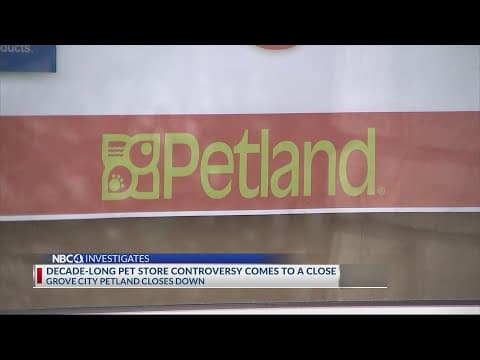
Closure of Pet Land Store Marks End of Decade-Long Controversy Over Puppy Mills
The closure of the Pet Land store in Grove City, Ohio, ends a nearly decade-long controversy surrounding the sale of puppy mill dogs. Local regulations aimed at banning such practices faced legal challenges, but consumer sentiment ultimately led to the store's closure. Pet Land denies that the closure is related to past activism, citing lease expiration as the reason.
The Pet Land store at the center of a statewide controversy has officially closed its doors, marking the end of a nearly ten-year battle over the sale of animals in pet stores, particularly concerning the issue of puppy mills. This closure has been met with mixed reactions, with many in Central Ohio celebrating it as a victory for animal welfare advocates, while Pet Land maintains that the closure is unrelated to the long-standing debate.
Background of the Controversy
The controversy surrounding Pet Land began in 2016 when the Grove City Council took significant action to regulate pet sales. The council mandated that pet stores could only sell animals obtained from animal shelters, humane societies, or rescue organizations. This decision was a direct response to ongoing accusations against Pet Land for allegedly selling dogs sourced from puppy mills, which the company has consistently denied.
Legal Battles and Legislative Actions
In response to the Grove City regulations, Pet Land initiated legal action against the city and its council members, claiming defamation and violation of its rights. The lawsuit argued that the council's statements about Pet Land being a primary client of high-volume breeders were false. Despite the legal challenges, the Ohio General Assembly passed a law that established statewide regulations for pet stores, effectively overriding local ordinances like those in Grove City.
Mike Gonidakis, a lobbyist for Pet Land, argued that the regulations imposed by Grove City would threaten the viability of pet stores. Despite these challenges, Pet Land was allowed to open its store in Grove City and continue selling animals, although the community sentiment appeared to shift against the business model they represented.
Community Response and Closure
As time passed, it became evident that consumer preferences were changing. Many residents expressed their disapproval of businesses that sourced animals from puppy mills, leading to a decline in support for Pet Land. The recent closure of the store was attributed to the expiration of its lease, with Pet Land stating that they chose not to renew it at that location. The company emphasized that this decision had nothing to do with the activism or regulatory challenges faced nearly a decade ago.
In a statement, Pet Land expressed pride in its collaboration with Ohio's governor and the General Assembly to develop stringent pet store regulations, which they claim are among the most rigorous in the nation. Despite attempts to repeal these regulations last year, the efforts did not gain traction.
Conclusion
The closure of the Pet Land store in Grove City signifies a pivotal moment in the ongoing debate over animal welfare and the regulation of pet sales. While Pet Land insists that the closure is unrelated to past controversies, the community's response reflects a growing awareness and advocacy for ethical treatment of animals. As the conversation around puppy mills and pet sales continues, this case serves as a reminder of the power of consumer voices in shaping business practices and regulations.



















