
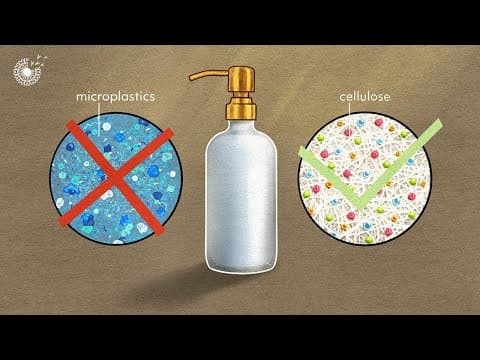
This blog post explores innovative, nature-inspired solutions to combat plastic pollution, highlighting the importance of biomimicry and sustainable practices in addressing environmental challenges.
Plastic pollution has become one of the most pressing environmental issues of our time. With millions of tons of plastic waste entering our oceans and ecosystems each year, the need for effective solutions has never been more urgent. In this blog post, we will explore innovative, nature-inspired approaches to combat plastic pollution, emphasizing the role of biomimicry and sustainable practices.
Plastic pollution refers to the accumulation of plastic products in the environment, which adversely affects wildlife, wildlife habitats, and humans. The durability of plastic, while beneficial for many applications, also means that it can persist in the environment for hundreds of years. This has led to significant ecological damage, particularly in marine environments where plastic waste can harm marine life.
According to recent studies, approximately 8 million tons of plastic waste enter the oceans each year. This staggering figure highlights the scale of the problem and the urgent need for innovative solutions. Marine animals often mistake plastic for food, leading to ingestion and entanglement, which can be fatal. Furthermore, microplastics have infiltrated the food chain, posing risks to human health.
In the quest to combat plastic pollution, researchers and innovators are turning to nature for inspiration. Biomimicry, the practice of learning from and mimicking the strategies found in nature, offers promising pathways to develop sustainable solutions.
Nature has evolved over millions of years to solve complex problems efficiently. By studying natural processes and organisms, scientists can develop new materials and methods that are both effective and environmentally friendly. For example, certain plants and animals have developed mechanisms to break down or repel plastics, which can inspire new biodegradable materials.
One of the most exciting developments in the fight against plastic pollution is the creation of biodegradable plastics. These materials are designed to break down more quickly than traditional plastics, reducing their environmental impact. Researchers are experimenting with various natural substances, such as cornstarch and seaweed, to create alternatives that can decompose in a matter of months rather than centuries.
Several companies and organizations are already implementing nature-inspired solutions to tackle plastic pollution. Here are a few notable examples:
Companies are developing bio-based plastics made from renewable resources. These materials not only reduce reliance on fossil fuels but also offer a more sustainable alternative to conventional plastics. For instance, some brands are using plant-based materials to create packaging that is both functional and environmentally friendly.
Another innovative approach involves using enzymes to break down plastics into their original monomers, allowing for recycling and reuse. This method mimics natural processes where organisms break down complex substances, providing a potential solution to the plastic waste crisis.
Designers are also looking to nature for inspiration in creating products that minimize plastic use. By adopting principles of circular design, products can be made to last longer, be easily repaired, or be fully recyclable, reducing the overall demand for new plastic materials.
While innovative solutions are crucial, they must be supported by effective policies and public awareness campaigns. Governments and organizations play a vital role in regulating plastic production and waste management. Education is equally important, as it empowers individuals and communities to make informed choices about plastic use and disposal.
Promoting sustainable practices at both the individual and corporate levels can significantly reduce plastic pollution. Initiatives such as reducing single-use plastics, encouraging recycling, and supporting businesses that prioritize sustainability can create a collective impact.
Combatting plastic pollution requires a multifaceted approach that includes innovative, nature-inspired solutions. By learning from nature and implementing sustainable practices, we can address this critical environmental challenge. As individuals, communities, and organizations come together to support these efforts, we can pave the way for a cleaner, healthier planet for future generations.



















