
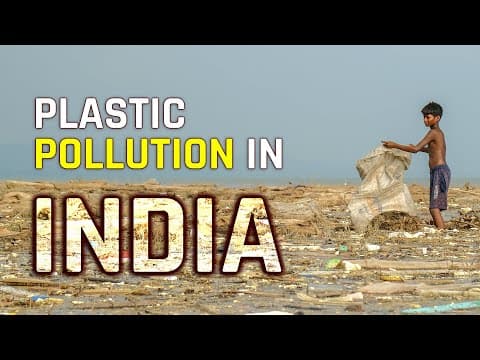
Plastic pollution is a critical global issue, with India being a significant contributor. The documentary explores the sources of plastic waste, particularly in the Indian Himalayas, and highlights grassroots initiatives aimed at tackling this crisis. Despite challenges, there is hope through community efforts and innovative solutions to manage plastic waste effectively.
Plastic pollution has emerged as one of the most pressing environmental challenges of our time. With over 300 million tons of plastic produced globally each year, less than 14% is recycled. Projections indicate that by 2040, global plastic production could reach approximately 1 billion tons. Alarmingly, 11 million tons of plastic waste enter our oceans annually, equivalent to a garbage truck's load every minute. This crisis poses a significant threat to our environment, marine ecosystems, wildlife, and human health.
A staggering 90% of all plastic waste entering our oceans originates from just a few hundred rivers located in Asia, Africa, and Latin America. Developed countries continue to export a significant amount of plastic waste to emerging nations, where population growth and increased plastic usage collide with inadequate waste management systems. This lack of proper waste management results in billions of tons of plastic waste ending up in landfills and the environment, ultimately reaching our oceans.
Ocean plastic pollution primarily stems from land-based sources, contributing to 80% of all plastic waste in the ocean. The remaining 20% comes from marine-based sources, such as abandoned fishing nets and other forms of marine debris.
India, now the most populous country in the world with over 1.4 billion people, is one of the largest contributors to plastic pollution, generating more than 13 million tons of mismanaged plastic waste annually. The documentary takes us on a journey to the Indian Himalayas, the sacred source of the Ganga River, which carries tons of plastic waste from the mountains to the Indian Ocean each year. This situation demands urgent action to address the environmental and social crisis in one of the world's most revered natural landscapes.
The majestic Himalayas, often referred to as the land of the gods, attract nature enthusiasts, trekkers, and adventurers. These towering peaks hold profound significance for Hindu pilgrimages and rely heavily on tourism to fuel their economies. However, the pursuit of boosting tourism has led to extensive road construction, hotel development, and hydropower projects, all of which contribute to environmental degradation.
Global warming further exacerbates the situation, leading to reduced snowfall and increased rainfall, resulting in landslides and flash floods. The alarming increase in pollution, particularly plastic waste, is a pressing concern often overlooked by both the government and the public. Tourists and local residents alike contribute to the accumulation of plastic waste across the region.
One of the most daunting issues is the surge in low-value plastics, which constitute a massive share of landfill waste in India. These flimsy materials, used for items like chips packets, confectionery wrappers, and single-use shopping bags, are often combined with other materials, making them difficult to recycle. The complexity of these materials results in limited profitability for waste recovery, leading to most low-value plastics not being collected at all.
Addressing the mounting plastic waste crisis requires a comprehensive solution. Many rural areas in Himachal Pradesh lack a proper waste collection system, making it a significant challenge to clean up rivers and forests. While numerous self-help groups are determined to tackle the issue, their impact remains constrained without adequate support.
Several initiatives have emerged to manage plastic waste ethically and efficiently. These organizations have demonstrated their ability to intercept plastic waste before it pollutes the environment while assisting informal waste pickers in transitioning to formal, dignified livelihoods. One such organization is Waste Warriors, which has been dedicated to cleansing and restoring the Himalayas since its inception in 2012.
Waste Warriors focuses on the most severely affected regions, particularly the trekking and hiking routes where trekkers often leave waste behind. They collaborate with local authorities to arrange for the collection of dry household waste and transport it to their dedicated segregation facility.
In rural villages, women have formed collaborative groups known as "Sakis" to address the plastic waste issue within their communities. These extraordinary women collect dry waste from households lacking proper waste management infrastructure and transport it to the Waste Warriors facility for sorting and recycling. Initially facing resistance due to the stigma associated with waste management, the Sakis have gradually changed the narrative and earned recognition from the community.
Despite generating some income from waste collection, the Sakis face challenges as villagers often cannot afford the minimum payment for their services. However, their efforts represent a beacon of hope in the fight against plastic pollution.
As the oceans choke on plastic and our environment cries out for help, we stand at a pivotal moment in history. Plastic pollution is an undeniable crisis, and while the challenges are immense, so is our determination to overcome them. Initiatives like Jenna, the Impact Company, aim to create change from the ground up, empowering those who work tirelessly to reclaim our planet from plastic's grip.
The journey to mitigate plastic pollution is not just about addressing the immediate crisis; it is about creating a regenerative tomorrow where our planet thrives and communities flourish. Together, we can make a significant impact in the fight against plastic pollution and ensure a healthier environment for future generations.



















