
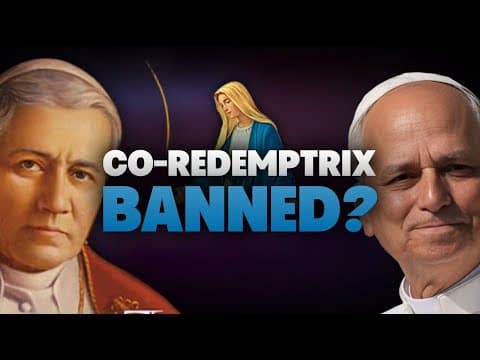
The recent Vatican document on Mariology has sparked diverse reactions across the Catholic community and beyond. Unlike typical ideological divides, responses varied significantly, with both support and criticism emerging from unexpected quarters. Key points of contention include the roles of Mary as Mediatrix and Coredemptrix, raising questions about doctrinal authority and practical implications.
On November 5th, a significant and controversial document was released by the Vatican's Dicastery for the Doctrine of the Faith (DDF). This document, a doctrinal note on Mariology, has generated a wide array of responses, prompting discussions about its implications and the nature of doctrinal authority within the Catholic Church.
The document addresses key aspects of Mariology, particularly focusing on two central themes: Mary as Mediatrix of all Graces and Mary as Coredemptrix. These concepts have historically been points of contention within Catholic theology, and the Vatican's recent guidance has reignited debates surrounding their interpretation and application.
What makes this document particularly noteworthy is the nature of the reactions it has elicited. Traditionally, responses to Vatican documents tend to align along ideological lines, with clear divisions between conservative and liberal factions. However, this time, the responses have been more nuanced:
Despite the varied reactions, a significant observation is that most individuals, regardless of their ideological stance, did not oppose the core doctrines presented in the document. Instead, the controversy primarily revolved around the practical recommendations made by the Vatican regarding the use of the terms Mediatrix and Coredemptrix.
The document suggests that the title of Mediatrix should be approached with caution due to potential misunderstandings. This recommendation has sparked discussions about the implications of this caution on the faithful's understanding of Mary's role in salvation.
In contrast, the document advises that the term Coredemptrix should not be used at all. This directive has raised eyebrows among theologians and laypeople alike, leading to questions about the Vatican's stance on Marian doctrines and their significance in Catholic teaching.
The reactions to this document highlight a broader conversation about the teaching authority of the Church. The mixed responses indicate a willingness among many to engage in discussions about the nature and extent of this authority, which is often a contentious issue within Catholic circles.
The release of the Vatican's doctrinal note on Mariology has undoubtedly unleashed a wave of controversy and discussion. As the Catholic community grapples with the implications of the document, it is clear that the conversation surrounding Mary’s roles as Mediatrix and Coredemptrix will continue to evolve. This document not only challenges existing ideological divides but also invites a deeper exploration of the Church's teachings and their relevance in contemporary faith practice.



















