
This blog post discusses significant developments in sustainability leading up to COP29, highlighting climate events, emerging trends, and the impact of political shifts on climate policies. It emphasizes the need for urgent action, the importance of finance in climate initiatives, and the interconnectedness of sustainability issues.
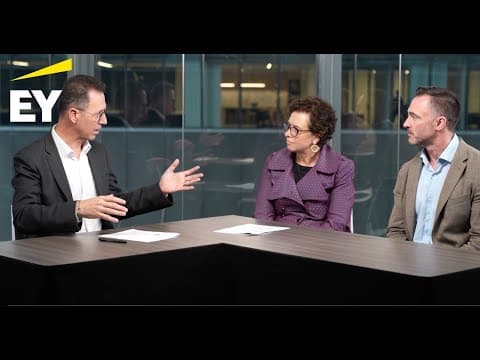
Welcome to the EY Sustainability Matters podcast, where we explore ESG and sustainability topics and their impact on businesses worldwide. In this episode, host Bruno Sarda is joined by Amy Brachio, EY Global Vice Chair for Sustainability, and Matt Bell, global leader for EY Climate Change and Sustainability Services. Together, they reflect on the significant developments in the sustainability landscape over the past year and discuss the implications for the upcoming COP29.
Amy highlights the extreme and record temperatures, severe weather events, flooding, and wildfires that have occurred globally. These events underscore the urgent need for a focus on sustainability. The challenges faced by coral reefs and air quality further emphasize the importance of climate action.
In response to these challenges, regulatory requirements are increasing, prompting businesses to prepare for high-quality data reporting that drives transparency. Notably, there has been a faster-than-expected adoption of renewable energy, although challenges remain, and the pace of change must accelerate.
During Climate Week, there was a shift in dialogue from merely keeping 1.5 degrees Celsius alive to acknowledging that we may overshoot this target. However, there is still hope for action that can help mitigate this trajectory.
A significant trend is the recognition of the interconnectedness of various sustainability issues, including climate change, oceans, biodiversity, and human rights. This systemic approach is crucial for developing comprehensive solutions.
The global stocktake process at COP28 revealed that, even with all commitments made, we are on track for approximately 2.7 degrees of warming by the end of the century, which scientists warn could lead to catastrophic climate change. The urgency to halve emissions before 2030 and achieve net-zero by mid-century is more pressing than ever.
Organizations are grappling with the complexities of decarbonization and the need for accurate data to inform their actions. Many companies have made initial commitments but now face the challenge of implementing systemic changes that require a reevaluation of their business models.
As COP29 approaches, there is a concentrated focus on finance, with expectations for progress on international carbon trading and commitments to funding initiatives like the loss and damage fund. This COP is being termed the "finance COP," emphasizing the need for public and private sector collaboration to finance climate adaptation and transition.
Political developments, including significant elections worldwide, could impact climate policies. However, business leaders recognize that sustainability is essential for long-term resilience, regardless of political changes. The focus remains on good business practices that align with sustainability goals.
The introduction of new regulations, such as the EU's Corporate Sustainability Reporting Directive, has raised concerns about whether the focus on measurement and reporting detracts from meaningful action. However, many organizations are now prioritizing the development of transition plans that address climate risks and opportunities.
Amy shares a micro example from Climate Week, where participants discussed personal actions taken to contribute to sustainability, such as installing solar panels and adopting plant-based diets. This reflects a growing awareness of individual responsibility in addressing climate change.
Matt notes a shift towards innovation within business models, with companies investing in technologies like direct air capture to address climate challenges proactively. This trend indicates a recognition of the need for businesses to adapt and innovate in response to climate risks.
As we look forward to COP29, the discussions and insights shared during Climate Week highlight the urgency of robust climate action from both governments and corporations. The interconnectedness of sustainability issues, the focus on finance, and the commitment to innovation provide a hopeful outlook for the future of climate action. The path ahead requires collaboration, transparency, and a collective effort to achieve the necessary changes for a sustainable future.



















