
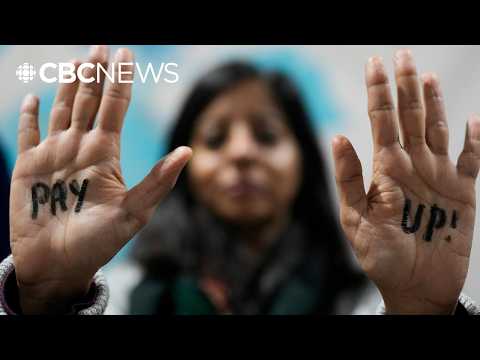
COP29 concluded with a $300 billion annual climate finance agreement aimed at helping developing countries transition from fossil fuels and adapt to climate change. While this amount is significantly higher than previous commitments, it falls short of the $1.3 trillion requested by these nations, leading to widespread disappointment and calls for more substantial action.
After more than a day of extended negotiations, COP29 has concluded with a significant agreement on climate finance. The summit, held in Aeran, resulted in the approval of a $300 billion per year deal aimed at assisting developing countries in transitioning away from fossil fuels and adapting to the severe impacts of climate change. This amount is three times greater than the previous commitment made in 2009 but still falls short of the $1.3 trillion that developing nations had requested, leading to widespread disappointment among negotiators.
The $300 billion annual commitment is intended to support developing countries in their efforts to combat climate change. However, many representatives from these nations have expressed their dissatisfaction, labeling the agreement as insufficient. The African group of negotiators criticized the deal as "too little, too late," with sentiments echoing across various delegations. One negotiator described the agreement as an "optical illusion," highlighting the frustration felt by many regarding the lack of adequate funding.
Originally scheduled to conclude on Friday, negotiations extended late into the night, marked by heightened tensions and walkouts from several developing and island nations. The urgency of the situation was underscored by the reality that many countries are already experiencing the devastating effects of climate change, with some regions facing extreme weather events and loss of life.
Katherine McKenna, the Chief Executive of Climate and Nature Solutions and a former Federal Environment Minister, provided insights into the negotiations. She noted that the stakes are high, as the world is already approaching 1.5 degrees Celsius of warming, beyond which significant tipping points and catastrophic impacts are expected.
While the agreement sets a framework for $300 billion in annual funding by 2035, the reality is that developing countries require trillions to effectively transition from fossil fuels and adapt to climate change. McKenna emphasized the need for substantial government funding, particularly from developed nations, to ensure that financial resources flow to where they are most needed. The challenge remains whether governments can mobilize the necessary funds and leverage private sector investments to meet the escalating demands.
The conversation around climate finance also includes the potential for private sector involvement. McKenna pointed out that while there is significant capital available for clean solutions, much of it is currently directed towards developed regions like North America and Europe. To address this imbalance, developing countries need not only government support but also innovative financing mechanisms that can attract private investments.
One of the critical issues discussed at COP29 was the commitment to transition away from fossil fuels. Despite previous agreements, some countries, notably Saudi Arabia, attempted to dilute the language surrounding fossil fuel dependency, which has raised concerns among climate advocates. McKenna highlighted the urgency of addressing fossil fuel reliance, stating that profiting from climate destruction while solutions exist is unacceptable.
Looking ahead, McKenna stressed the importance of ambitious climate action in the coming years. Countries must commit to more aggressive targets to meet the goals of the Paris Agreement. For Canada, the situation is particularly pressing, as the nation ranks poorly in terms of emissions reduction efforts. The transition to clean energy is not only crucial for environmental sustainability but also for economic stability, as reliance on fossil fuels poses risks of stranded assets and economic decline.
As COP29 wraps up, the world faces a critical juncture in the fight against climate change. The $300 billion agreement is a step forward, but it is clear that much more is needed to meet the challenges ahead. The collaboration between governments and the private sector will be essential in mobilizing the necessary resources to support developing countries in their climate efforts. The future of our planet depends on decisive action and a commitment to sustainable solutions that benefit all.



















