
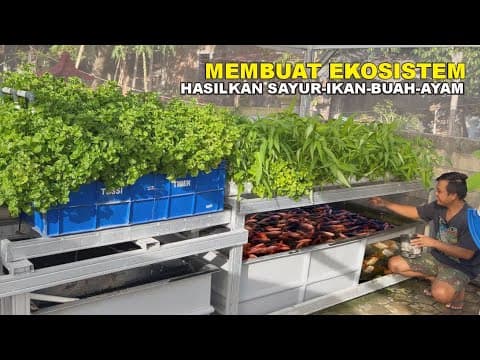
This blog post provides a comprehensive guide on setting up an aquaponics system that integrates fish and vegetable cultivation, detailing the process from system setup to harvesting, while emphasizing the benefits of creating a sustainable ecosystem.
Aquaponics is not just a gardening method; it is an ecosystem within an ecosystem. This innovative approach allows for the simultaneous cultivation of fish and vegetables, creating a sustainable and efficient farming system. In this blog post, we will explore the process of setting up an aquaponics system, from initial setup to harvesting, ensuring a comprehensive understanding of this integrated farming method.
Aquaponics combines aquaculture (raising fish) and hydroponics (growing plants in water) into a single, symbiotic system. Fish waste provides organic nutrients for the plants, while the plants help filter and purify the water for the fish. This method not only maximizes space but also minimizes water usage, making it an environmentally friendly option for food production.
To begin, we need to set up the aquaponics system. The first step involves preparing the filtration system and connecting it to the fish pond. We use a glass adhesive to ensure that there are no leaks in the system. Once the adhesive has dried, we fill the system with water, using municipal water (PDAM) which has proven safe for our setup.
The filter is a crucial component of the aquaponics system. We start by preparing the filter media, which includes:
Before introducing fish, it is essential to mature the pond. This process helps prevent mass mortality when the fish are introduced. During maturation, we add organic probiotics or liquid organic supplements to the water. The typical formula involves mixing 50 ml of molasses with 5 ml of bacteria, diluted in 500 ml of clean water, and allowed to activate for 24 hours before being introduced into the pond.
After a week of maturation, we acclimatize the water and prepare to introduce fish. We opt for a mix of red and black Nile tilapia, which are affordable and provide a good yield. It is crucial to sort the fish, eliminating any that appear weak or diseased before introducing them to the pond.
To minimize stress on the fish, we add salt to the water. The recommended dosage is 1 kg of salt per cubic meter of water, but we use only 250 grams for our setup. This helps to inhibit the development of parasites and diseases.
Once the fish are settled, we can begin planting vegetables. For this, we choose to grow water spinach (kangkung), which is easy to seed. We sprinkle the seeds over the growing medium and ensure they are adequately watered. Using coir as a growing medium is cost-effective and reusable, making it an ideal choice for aquaponics.
After about 20 days, the kangkung is ready for harvest. Ideally, it should be harvested before it starts to vine, ensuring the best quality. The plants can be harvested by cutting or pulling them out, allowing for multiple harvests from the same planting.
The aquaponics system requires regular maintenance to ensure optimal conditions for both fish and plants. This includes:
The aquaponics system allows for the creation of a larger ecosystem within the garden, producing not only fish and vegetables but also integrating other farming practices. For instance, leftover vegetable scraps can be used as feed for poultry, creating a closed-loop system that maximizes resource use.
In conclusion, setting up an aquaponics system is a rewarding endeavor that promotes sustainable farming practices. By integrating fish and vegetable cultivation, we can create a self-sustaining ecosystem that benefits both the environment and our food supply. With careful planning and maintenance, anyone can embark on this journey towards sustainable agriculture.



















