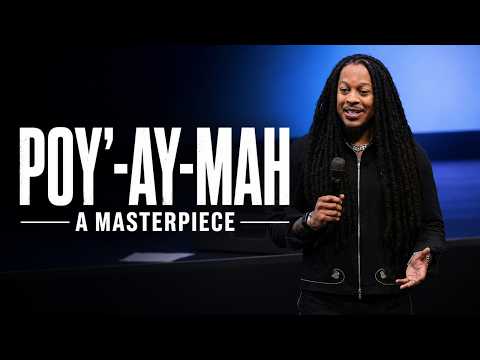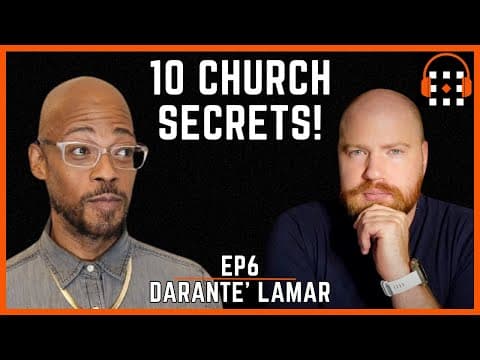
Durante LaMar, a former pastor, shares his journey of deconstruction and the ten secrets about church operations that many congregants are unaware of. He emphasizes the need for community beyond traditional religious structures, addressing issues like financial manipulation, the role of pastors, and the importance of creating safe spaces for those questioning their faith.
Welcome to Mind Shift. Today, we have a fascinating conversation with Durante LaMar, a former pastor who has transitioned into a role focused on community building and support for those questioning their faith. Durante has been active on YouTube for three years, sharing his insights and experiences from nearly two decades in ministry. In this post, we will explore the ten secrets that pastors often keep hidden from their congregations, as well as Durante's mission to create supportive communities for those who have left traditional religious structures.
Durante began his journey in ministry at a young age, filled with zeal and passion for his faith. Over the years, he served in various roles, including youth ministry, worship pastor, and executive pastor. He even launched two churches in Florida and Alabama. However, Durante's faith journey led him to a significant turning point in 2014 when he realized he no longer believed in God. This epiphany prompted him to reevaluate his beliefs and the impact of his ministry on others.
Durante's mission now focuses on building community beyond superstition, addressing the trauma and mental health issues faced by those who deconvert from their faith. He emphasizes the importance of creating safe spaces for individuals to explore their beliefs and find support.
Durante's recent video outlines ten secrets about church operations that many congregants may not be aware of. Here, we will delve into each secret and its implications.
Many people view the church as a spiritual center, but Durante argues that churches operate like businesses. They require funding to pay staff, maintain facilities, and cover operational costs. This reality can be shocking for congregants who believe their donations are solely for spiritual purposes. The lack of transparency about financial needs can lead to feelings of manipulation, especially when pastors frame financial requests in spiritual terms.
Tithes are often allocated to operational costs, including payroll and facility maintenance, rather than the outreach and community support that congregants expect. Durante highlights the disconnect between how churches communicate their financial needs and the reality of where the money goes. This lack of honesty can lead to disillusionment among church members.
Contrary to popular belief, many pastors experience doubt about their faith and calling. Durante explains that pastors often feel pressure to present themselves as unwavering leaders, but they grapple with the same uncertainties as their congregants. This shared struggle can create a disconnect between the pastor's public persona and their private doubts.
The church leadership structure often favors men, perpetuating a culture that marginalizes women. Even in progressive churches, women may only be promoted if they conform to traditional masculine presentations of leadership. This dynamic can stifle diversity and limit the voices of women in church settings.
Fear and guilt are powerful motivators in church settings. Pastors often use these emotions to encourage attendance, tithing, and participation in church activities. Durante notes that this manipulation can lead to a toxic environment where congregants feel compelled to conform to expectations rather than engage in genuine spiritual exploration.
Durante points out that much of the growth in churches comes from individuals switching congregations rather than new converts. This reality highlights the need for churches to focus on retaining members rather than genuinely reaching out to new believers.
Worship music is crafted to evoke emotional responses, often leading congregants to attribute their feelings to divine experiences. Durante emphasizes that while music can create a sense of community and connection, it can also manipulate emotions in ways that reinforce religious beliefs without critical examination.
Pastors often hold significant influence over their congregants, shaping their beliefs and decisions. This power dynamic can lead to unhealthy dependencies, where congregants rely on pastors for guidance in personal matters rather than developing their own critical thinking skills.
Durante argues that many individuals who identify as Christians have been indoctrinated from a young age, leading them to accept beliefs without question. This indoctrination creates a framework that influences their understanding of faith, often without them realizing it.
Finally, Durante asserts that churches often need their congregants more than the congregants need the church. This reality can create a sense of obligation among members, leading them to feel responsible for the church's survival rather than recognizing their own autonomy.
Durante LaMar's insights shed light on the complexities of church operations and the challenges faced by those who leave traditional religious structures. His mission to build supportive communities for individuals navigating their faith journeys is crucial in addressing the trauma and isolation that can accompany deconversion. By fostering open dialogue and creating safe spaces, we can help individuals find belonging and support beyond the confines of traditional religious institutions.