
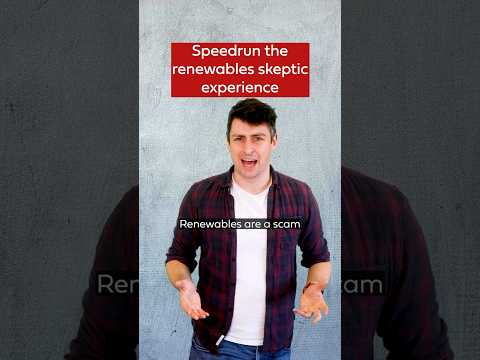
This blog post addresses common misconceptions about renewable energy, including its environmental impact, cost, reliability, and safety. It provides evidence-based arguments to counter claims that renewables are a scam, too expensive, or harmful to wildlife, ultimately advocating for a transition to cleaner energy sources.
Renewable energy has become a hot topic in recent years, with many people expressing skepticism about its viability and impact. This blog post aims to address some of the most common misconceptions surrounding renewable energy, providing evidence and data to clarify the benefits and realities of transitioning to cleaner energy sources.
One of the most prevalent claims is that renewables are a scam and that the current methods of generating power are unsustainable. Critics argue that burning fossil fuels like coal and gas is necessary, despite the fact that these practices release significant amounts of CO2, contributing to climate change. However, this perspective overlooks critical data.
According to a graph based on data from the Intergovernmental Panel on Climate Change (IPCC), when considering life cycle emissions—which include construction and operation—renewable energy sources have a much lower carbon intensity per kilowatt hour produced compared to fossil fuels. This indicates that replacing coal and gas with renewables significantly reduces overall emissions.
Another common argument against renewable energy is that it is too expensive. While it is true that renewables were costly 15 years ago, the landscape has changed dramatically. Today, solar and onshore wind energy have become the cheapest forms of energy available, factoring in both building and operational costs.
Critics often point to subsidies as a reason for the lower costs of renewables. Historically, this was true; however, the current trend shows that renewables are being built without subsidies. For instance, solar power in the UK is now viable without any financial support from the government. It is also important to note that fossil fuels have historically relied on substantial subsidies as well. In 2022 alone, fossil fuels received at least $1.5 trillion in explicit subsidies worldwide.
Skeptics often raise concerns about the reliability of renewable energy, questioning what happens when the sun doesn't shine or the wind doesn't blow. However, several countries, including Albania, Iceland, and Ethiopia, successfully operate on 100% renewable energy and hydropower.
For regions lacking access to hydropower, countries are increasingly linking their grids to balance resources. For example, Scandinavia and Southeast Asia are developing interconnected grids that allow countries to share their renewable resources, enhancing reliability.
A common concern is the cost of energy storage solutions, particularly batteries. Critics argue that the price of batteries makes renewable energy unfeasible. However, the price of lithium batteries has decreased by 97% since 1991 and continues to decline. Additionally, researchers are exploring various other storage technologies, indicating that it is entirely possible to run grids on renewables combined with storage solutions.
Another argument against renewable energy is the claim that wind turbines are harmful to birds. While it is true that wind turbines can impact bird populations, it is essential to consider the broader context. Studies have shown that fossil fuel plants kill 35 times more birds per unit of energy produced due to acid rain and habitat destruction.
Moreover, fossil fuels contribute to significant human health risks, with coal generating approximately 24.6 human deaths per terawatt hour due to accidents and air pollution. In contrast, renewable sources like wind, solar, and even nuclear energy result in only 0.02 to 0.04 deaths per terawatt hour. This data highlights that, even when ignoring climate change, renewable energy sources are cleaner and safer for both the environment and human health.
In conclusion, the skepticism surrounding renewable energy often stems from misinformation and outdated data. By examining the facts, it becomes clear that renewable energy is not only viable but also essential for a sustainable future. Transitioning to renewable energy sources can significantly reduce emissions, lower costs, and improve public health and safety. It is crucial for individuals and policymakers to engage with accurate information to foster a more informed discussion about the future of energy.



















