
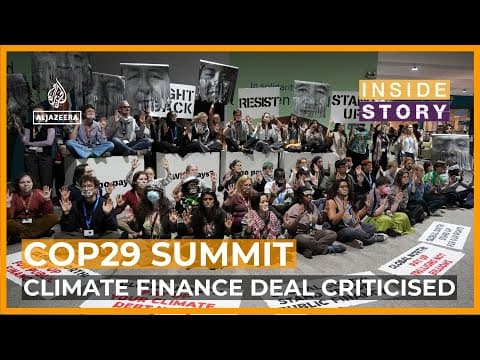
The COP29 climate summit concluded with a contentious deal that pledges $300 billion annually from developed nations to assist developing countries in combating climate change. However, many developing nations deem this amount insufficient, arguing it falls far short of the estimated $1.3 trillion needed annually. The deal has sparked significant criticism and concern over the future of global climate cooperation, especially in light of the potential return of Donald Trump to the U.S. presidency, who has previously dismissed climate change as a hoax.
The recent COP29 climate summit has concluded with a contentious agreement that has left many developing nations feeling dissatisfied and concerned about the future of global climate cooperation. After intense negotiations, wealthier countries pledged to provide $300 billion annually by 2035 to help developing nations cope with the impacts of climate change. However, this amount is widely regarded as insufficient, with developing nations arguing that it falls far short of the estimated $1.3 trillion needed each year to effectively combat climate change.
The COP29 summit, held in Baku, Azerbaijan, brought together over 40,000 delegates from around the world. The negotiations were fraught with tension, and at one point, the summit nearly collapsed due to disagreements among nations. Developing countries expressed frustration over being pressured into accepting a deal that they believe does not adequately address their needs.
The $300 billion pledge, while an increase from previous commitments, is seen as a mere fraction of what is necessary. UN experts estimate that developing nations will require at least $1.3 trillion annually to transition to cleaner energy sources and to manage the impacts of extreme weather events. Many delegates voiced their disappointment, stating that the deal represents a failure of developed countries to fulfill their responsibilities.
Representatives from developing nations have been vocal about their dissatisfaction with the outcome of COP29. They argue that the deal is inadequate and reflects a lack of commitment from wealthier nations. Some delegates described the negotiations as being manipulated, with last-minute changes that left little room for meaningful discussion.
The consequences of this inadequate funding are dire. Developing countries are already facing overwhelming climate impacts, including devastating floods, droughts, and famines. Without sufficient financial support, these nations will struggle to cut emissions, adapt to climate changes, and transition to sustainable energy sources. The situation is exacerbated by the historical responsibility of developed nations, which have contributed significantly to global emissions over the past century.
China, as the world's second-largest economy and emitter of greenhouse gases, has agreed to contribute to the deal. However, the overall response from developed nations has been criticized as lacking in solidarity and commitment. The potential return of Donald Trump to the U.S. presidency raises further concerns, as he has previously dismissed climate change and withdrawn the U.S. from the Paris Agreement.
The COP29 deal is not legally binding, and many experts warn that the lack of concrete commitments could jeopardize the global effort to limit temperature increases to 1.5 degrees Celsius. The ongoing climate crisis demands urgent action, and the current financial commitments are seen as insufficient to meet the challenges ahead.
As discussions continue, there is a growing call for a reevaluation of how climate finance is structured. Many advocates argue for the need for grant-based funding rather than loans, which can exacerbate the debt crisis in developing countries. The focus should be on direct financial support to help these nations transition away from fossil fuels and adapt to climate impacts.
The dissatisfaction expressed by developing nations at COP29 highlights the urgent need for a more equitable and effective approach to climate finance. As the world faces an escalating climate crisis, it is crucial for developed nations to step up and fulfill their commitments, ensuring that all countries can work together towards a sustainable future. The stakes are high, and the time for action is now.



















