
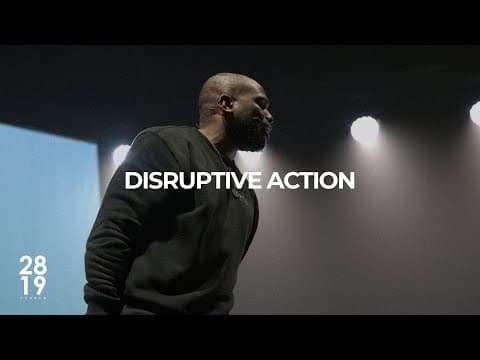
In a powerful sermon based on Matthew 21:12-17, Philip Anthony Mitchell emphasizes the need for disruptive action in the church against corruption and complacency. He reflects on Jesus' cleansing of the temple, urging believers to take a stand for righteousness and prioritize prayer and intimacy with God in their gatherings.
In a recent sermon, Philip Anthony Mitchell delves into the theme of disruptive action as illustrated in Matthew 21:12-17. He reflects on the importance of standing up against corruption within the church and emphasizes the need for believers to embody righteous indignation in their faith.
Mitchell begins by sharing a personal story about a mentor he met while touring ancient cities in Turkey. He highlights the significance of Godly relationships and encourages the congregation to value these connections. He also introduces the concept of sacrificial giving, inviting both local and digital disciples to contribute to the church's first facility.
Mitchell addresses newcomers in the congregation, emphasizing the urgency of responding to Christ's call. He reminds everyone that tomorrow is not promised, and today is the day of salvation. This sets the stage for the sermon’s main theme: the need for disruptive action in the face of cultural complacency.
The sermon is part of a series titled "Entry and End Times," where Mitchell explores the final words and actions of Christ. He stresses the importance of being informed by the Word of God, especially as times change and challenges arise. He encourages believers to be like the wise virgins who are prepared and vigilant.
Mitchell labels the scripture passage as a call for disruptive action. He argues that the church needs individuals who are unafraid to stand up for truth, even in a culture that often promotes cowardice and conformity. He passionately states that true believers should not be swayed by societal pressures or the fear of cancel culture.
The core of the sermon focuses on Jesus’ actions in the temple. Mitchell recounts how Jesus entered Jerusalem and immediately went to the temple, where he drove out the money changers and those selling animals. This act of righteous anger demonstrates Jesus’ commitment to purity in worship and his disdain for corruption.
Mitchell contrasts this with the current state of the church, where he sees a similar corruption and complacency. He challenges the congregation to reflect on their own responses to the issues within the church and society.
Mitchell emphasizes the importance of scripture in understanding Jesus’ actions. He points out that Jesus quoted the Old Testament to highlight the temple's intended purpose as a house of prayer, not a den of robbers. This serves as a reminder for believers to align their practices with biblical teachings.
The sermon also discusses the necessity of purging the church of corruption to make way for the presence of God. Mitchell argues that without holiness, there can be no true presence of God, and without that presence, there is no power. He calls for a return to prayer as the foundation of the church’s activities.
Looking ahead, Mitchell shares his vision for a large prayer gathering at State Farm Arena, where thousands will come together to cry out to God. He believes that such gatherings can lead to transformation and healing in the community, emphasizing that the focus should be solely on God, not on celebrity or entertainment.
In conclusion, Mitchell urges the church to embrace disruptive action in response to the challenges of the current cultural landscape. He calls on believers to be bold in their faith, to hold leaders accountable, and to prioritize prayer and intimacy with God. The message is clear: the church must not remain silent in the face of corruption but must actively engage in righteous action to uphold the integrity of the faith.
As the sermon closes, Mitchell prays for a revival of passion and fire within the hearts of believers, encouraging them to take a stand for Christ in every aspect of their lives. He leaves the congregation with a powerful reminder that they are called to be agents of change in a world that desperately needs it.



















