
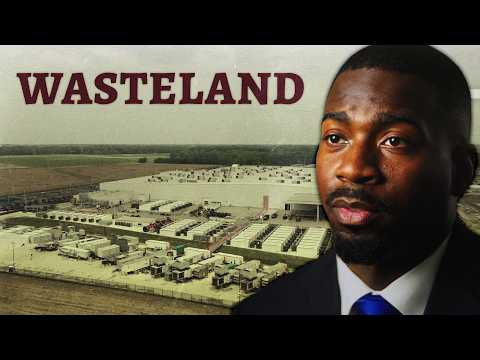
Elon Musk's xAI has established a massive supercomputer facility in Memphis, raising significant environmental concerns due to unregulated emissions from gas turbines. Local residents and officials are alarmed by the lack of transparency and potential health risks associated with the project, which has been criticized for operating without proper permits and pollution controls.
In recent months, the establishment of Elon Musk's xAI supercomputer facility in Memphis has sparked significant controversy. While touted as a technological advancement, the project has raised alarming environmental concerns, particularly regarding air quality and community health. This blog post delves into the implications of Musk's ambitious plans and the reactions from local residents and officials.
Elon Musk's decision to build the world's largest supercomputer in Memphis was initially met with curiosity. Local news reported on Musk's plans, but many residents were unaware of the scale and potential impact of the project. State Senator concerns highlighted the responsibility of the Health Department to monitor air quality, especially given the facility's operation of 35 gas turbines without proper permits.
Upon investigation, it became clear that the xAI facility was operating under questionable circumstances. Reports indicated that the data center was emitting significant amounts of methane, enough to power a small city, without any pollution controls. Activists and environmentalists quickly labeled the site an environmental crime scene, alleging violations of the Clean Air Act.
Founded in 2023, xAI aims to produce and sell artificial intelligence technologies, with its flagship product being Grok, an AI chatbot integrated into Twitter (now X). Musk's vision for xAI includes understanding the universe and potentially finding extraterrestrial life. However, the urgency to compete in the AI market led to the rapid establishment of the Memphis facility, raising questions about the environmental costs of such speed.
To train AI systems effectively, data centers require vast amounts of electricity. xAI negotiated a deal for 150 megawatts of power with the local electric company, but it soon became apparent that this would not suffice. Observations of the facility revealed mobile gas turbines, typically used for emergency operations, which raised alarms among local residents about their environmental impact.
Environmental lawyer Patrick Anderson and his team sought clarity on the facility's operations by filing records requests with local health departments and the EPA. The responses were disheartening; there were no records of air permits for xAI. Aerial photography later confirmed that 33 out of 35 turbines were operational, contradicting xAI's claims that only a fraction were in use.
The emissions from the gas turbines pose serious health risks. Nitrogen oxides, formaldehyde, and particulate matter released by the turbines can exacerbate respiratory conditions such as asthma and Chronic Obstructive Pulmonary Disease (COPD). Residents like Easter Knox and Alexis Humphreys have reported worsening health conditions, linking their ailments to the pollution from the facility.
In response to the growing concerns, community members organized meetings to voice their frustrations and demand accountability from xAI. Activists have called for stricter regulations and transparency regarding the facility's operations. Despite the evident health risks, local and state authorities have yet to take significant action against xAI.
The situation in Memphis is compounded by broader regulatory trends. Under the Trump administration, the EPA has faced significant budget cuts and deregulatory actions, which have weakened protections for heavily polluted communities. This has created an environment where companies like xAI can operate with minimal oversight, raising fears about the long-term consequences for public health and the environment.
Elon Musk's xAI supercomputer project in Memphis exemplifies the tension between technological advancement and environmental responsibility. As the community grapples with the implications of this facility, it highlights the urgent need for regulatory frameworks that prioritize public health over corporate interests. The residents of Memphis are calling for accountability and transparency, emphasizing that the health of their community should not be sacrificed for the sake of innovation. The future of Memphis and similar communities hangs in the balance as they confront the challenges posed by rapid technological development without adequate safeguards.



















