
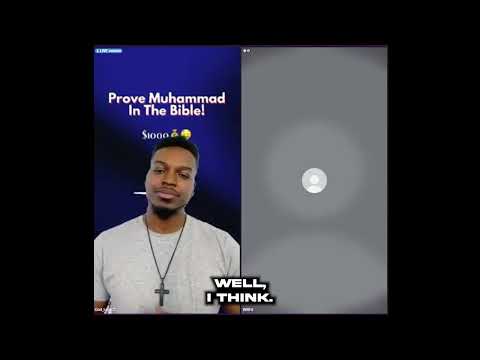
This blog post explores the controversial claim that Muhammad is mentioned in the Bible, particularly in the context of the Song of Solomon and Isaiah. It discusses the interpretations of these texts, the differences between the Quran and the Bible, and the implications of these interpretations on the understanding of Muhammad's role as a prophet.
The assertion that Muhammad is mentioned in the Bible has been a topic of debate among scholars and religious followers for years. This blog post delves into the origins of this claim, the specific biblical references cited, and the interpretations surrounding them.
Muslims have long claimed that Muhammad is referenced in the Bible, often citing the Quran as their source. However, critics argue that these claims lack substantial biblical evidence. The discussion begins with the Song of Solomon, specifically Song of Solomon 5:16, which some believe refers to Muhammad.
In Song of Solomon 5:16, the text describes a beloved in poetic terms. The Hebrew word used is "Makmadim," which translates to "altogether lovely" or "desirable things." Critics argue that this does not equate to Muhammad's name. The translation and interpretation of this passage are crucial, as they highlight the differences between the meanings of names and titles in different cultures and languages.
The Quran mentions the name "Ahmed," which is often translated as "praised one." While some argue that this is synonymous with Muhammad, others contend that the meanings are not interchangeable. The discussion emphasizes the importance of understanding the context and cultural significance of these terms in both the Quran and the Bible.
The conversation shifts to the role of prophets, particularly the question of whether women can be prophets. The discussion reveals differing views on gender roles within religious contexts, with some asserting that only men can hold prophetic positions. This aspect of the conversation highlights the broader implications of gender in religious narratives.
Another biblical reference often cited in this debate is Isaiah 29:12. This passage discusses the concept of false prophets and the consequences of hypocrisy. Critics argue that if one were to interpret this passage as referring to Muhammad, it would imply that he is characterized as a hypocrite, which is a contentious claim.
The interpretation of Isaiah requires a careful reading of the text. Critics emphasize that understanding the context is essential to avoid misinterpretation. The passage describes a scenario where God takes away revelation from those who are hypocritical, which raises questions about the implications of associating this with Muhammad.
Throughout the discussion, a recurring theme is the importance of reading the biblical texts in their entirety rather than relying on selective interpretations. The argument is made that many misunderstandings arise from taking verses out of context or relying on second-hand interpretations.
The challenge of interpreting ancient texts is acknowledged, with the suggestion that listening to the scriptures may provide a different understanding than reading them. However, the necessity of engaging directly with the texts is emphasized as a means to uncover the truth.
In conclusion, the claim that Muhammad is mentioned in the Bible remains a contentious issue. The discussions surrounding the Song of Solomon and Isaiah reveal the complexities of interpretation and the importance of context in understanding religious texts. Ultimately, the debate underscores the need for individuals to engage with the scriptures directly to form their own conclusions about these significant religious claims.



















