
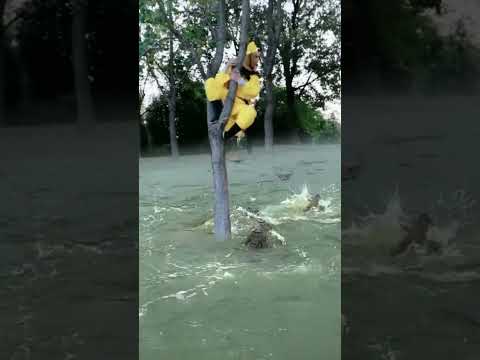
This blog post delves into the concept of harmonious coexistence between humans and wild animals, exploring the importance of understanding and respecting wildlife. It discusses the benefits of living in proximity to nature and the responsibilities that come with it, emphasizing the need for conservation and sustainable practices to ensure a balanced ecosystem.
In recent years, the relationship between humans and wild animals has become a focal point of discussion, particularly as urbanization and environmental changes continue to encroach upon natural habitats. The concept of harmonious coexistence is not just a dream; it is a necessity for the survival of both humans and wildlife. This blog post explores the importance of understanding and respecting wildlife, the benefits of living in proximity to nature, and the responsibilities that come with this coexistence.
Wild animals play a crucial role in maintaining the balance of ecosystems. Each species contributes to the health of the environment in unique ways, from pollination to pest control. Understanding these roles is essential for fostering a respectful relationship with wildlife.
Biodiversity is vital for a resilient ecosystem. It ensures that ecosystems can withstand environmental changes and continue to provide essential services. By protecting wild animals and their habitats, we are also safeguarding our own future.
Living in harmony with wildlife offers numerous benefits:
When humans and animals coexist peacefully, it promotes ecological balance. Healthy ecosystems provide clean air, water, and fertile soil, which are essential for human survival.
Proximity to wildlife offers unique educational opportunities. Observing animals in their natural habitats can inspire a deeper appreciation for nature and encourage conservation efforts.
Studies have shown that spending time in nature can reduce stress, anxiety, and depression. Interacting with wildlife can enhance our mental well-being and foster a sense of connection to the natural world.
With the benefits of living alongside wildlife come significant responsibilities. It is crucial to adopt sustainable practices that protect both human interests and animal welfare.
Conservation is key to ensuring that wildlife populations remain healthy. This includes protecting habitats, supporting wildlife corridors, and advocating for policies that prioritize environmental health.
Adopting sustainable practices in our daily lives can minimize our impact on wildlife. This includes reducing waste, using eco-friendly products, and supporting local conservation initiatives.
Respecting wildlife means understanding their behaviors and needs. It is essential to avoid encroaching on their habitats and to educate others about the importance of maintaining a respectful distance from wild animals.
The harmonious coexistence between humans and wild animals is not only possible but essential for the health of our planet. By understanding the roles of wildlife, embracing the benefits of living alongside them, and taking on the responsibilities that come with this relationship, we can create a future where both humans and animals thrive. As we move forward, let us commit to fostering a world where nature and humanity can coexist in harmony, ensuring a balanced ecosystem for generations to come.



















