
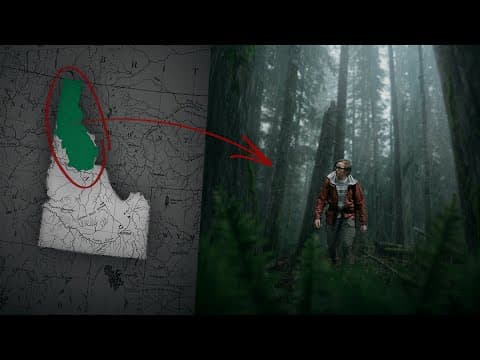
Idaho's inland rainforest, a unique ecosystem thriving far from the ocean, faces significant environmental challenges due to logging, climate change, and habitat loss. This blog post explores its history, biodiversity, and the urgent need for conservation efforts to protect this remarkable habitat and its inhabitants, including the endangered mountain caribou.
Idaho is home to a remarkable ecosystem that defies conventional understanding of rainforests. Despite being hundreds of miles from the ocean and experiencing harsh winters and frequent wildfires, this region exhibits characteristics of a rainforest. This blog post delves into the history, biodiversity, and current challenges facing Idaho's inland rainforest, highlighting the urgent need for conservation efforts.
In the early 1800s, European explorers, including David Thompson, ventured into northwestern North America, seeking new territories for fur trapping and the elusive Northwest Passage. Thompson's explorations revealed a lush landscape filled with towering trees, raging rivers, and diverse wildlife, prompting him to ponder the vast systems that allowed such a rainforest to exist in a seemingly inhospitable environment.
Temperate rainforests cover less than 1% of the Earth's surface, with the most famous examples located along the Pacific Coast. However, Idaho's inland rainforest is unique, situated over 500 kilometers from the ocean and deriving much of its moisture from melting snow. This region experiences a climate that mirrors coastal rainforests, with species such as western redcedar and western hemlock dominating the landscape.
The inland rainforest is home to a rich array of flora and fauna, including gray wolves, mountain lions, moose, and various bird species. Notably, it boasts one of the richest lichen communities in any temperate forest. The intricate web of life here is sustained by the annual salmon migration, which brings vital nutrients from the ocean, nourishing the entire ecosystem.
Indigenous groups have long utilized the resources of this rainforest, harvesting materials for homes, tools, and food. They navigated the region's rivers and traded with coastal communities, demonstrating a deep understanding of the land and its offerings. The mountain caribou, a unique inhabitant of this ecosystem, relies on the lichen found in old-growth forests, making it an indicator species for the health of the entire ecosystem.
Following Thompson's expeditions, the region saw a surge in fur trading, followed by mining booms and extensive logging. The timber industry rapidly expanded, leading to significant deforestation and habitat fragmentation. By the late 1800s, logging practices evolved from selective cutting to clearcutting, drastically altering the landscape and threatening the delicate balance of the ecosystem.
Today, old-growth forests in Idaho exist in small, fragmented patches, surrounded by clear-cuts and young tree stands. The mountain caribou population has dwindled to fewer than 30 individuals in the South Selkirk herd, primarily due to habitat loss and increased predation from wolves and mountain lions. The ecological consequences of logging and habitat destruction have created a precarious situation for the entire rainforest ecosystem.
Despite the dire circumstances, there is hope for the future of Idaho's inland rainforest. Conservation groups and indigenous communities are advocating for stronger protections for old-growth forests and the mountain caribou. However, recent decisions by the U.S. Forest Service to drop plans for enhanced protections highlight the ongoing struggle between conservation and economic interests.
In British Columbia, where the inland rainforest is more intact, conservationists are experimenting with various methods to boost caribou populations, including predator management and habitat restoration. These interventions raise important questions about the balance between human activity and ecological preservation.
Idaho's inland rainforest is a unique and vital ecosystem that faces significant threats from human activity and climate change. As we reflect on the history and current state of this remarkable habitat, it is crucial to consider our role in its future. The decisions made today will determine the fate of this rainforest and its inhabitants, including the endangered mountain caribou.
In the words of those who have traversed this land before us, we must ask ourselves: What are we doing here? What should we do here? The answers to these questions will shape the future of Idaho's impossible rainforest.



















