
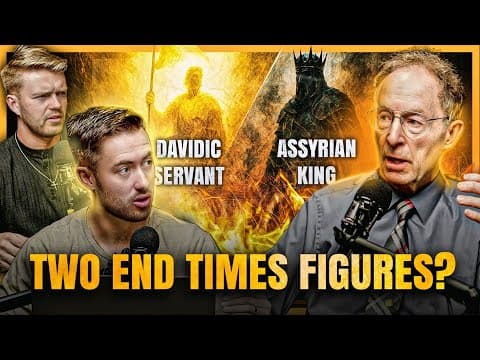
In this blog post, we delve into the profound insights of Avraham Gileadi regarding the prophecies of Isaiah, particularly focusing on the cyclical nature of history, the significance of the Davidic servant, and the implications for the end times. Gileadi emphasizes the need for a deeper understanding of Isaiah's writings to prepare for the challenges ahead, highlighting the roles of key figures and the restoration of Israel.
Understanding the prophecies of Isaiah is a complex yet rewarding endeavor. Avraham Gileadi, a noted scholar, emphasizes that Isaiah's writings are not only relevant to his time but also hold significant implications for the end times. This blog post summarizes a discussion on the Stick of Joseph YouTube channel, where Gileadi shares insights into Isaiah's prophecies, the cyclical nature of history, and the roles of key figures in the last days.
Gileadi asserts that to grasp the messages within Isaiah, one must be willing to invest time and effort. He notes that Isaiah outlines 30 events related to the end times, drawing parallels from ancient events. This cyclical view of history suggests that what has occurred before will happen again, a concept rooted in Hebrew thought.
In Third Nephi, Christ commands the people to diligently search the words of Isaiah, indicating their importance for understanding the future. Gileadi echoes this sentiment, stating that Isaiah's prophecies apply not only to his contemporaries but also to future generations, including the Gentiles.
Gileadi explains that Hebrew history is cyclical, with events repeating themselves over time. This perspective is supported by Ecclesiastes 1:9, which states, "That which has been is what will be." Gileadi's studies reveal that Isaiah's prophecies can be understood through literary structures and patterns that reflect this cyclical nature.
A central theme in Gileadi's interpretation is the role of the Davidic servant, a figure who will emerge in the last days to lead the restoration of Israel. This servant is contrasted with the king of Assyria, representing opposing forces in the end times. The Davidic servant rallies God's people, while the king of Assyria symbolizes tyranny and oppression.
Gileadi describes the king of Assyria as a world leader who will attempt to dominate God's people, committing acts of genocide. This figure serves as a representation of the ultimate antagonist in the end times, opposing the Davidic servant and the restoration of Israel.
Gileadi emphasizes that understanding Isaiah is crucial for recognizing the signs of the times. He suggests that the emergence of new texts and revelations will play a significant role in the unfolding of events leading to the second coming of Christ. The restoration of the house of Israel is a key focus, as it must occur before the Lord's return.
The prophecies indicate that the gathering of Israel will involve the return of the ten tribes and the conversion of the Lamanites. Gileadi highlights that this gathering is essential for establishing Zion, which must occur before Christ can return.
Gileadi acknowledges that many find Isaiah challenging to comprehend due to its depth and complexity. He encourages readers to approach Isaiah with a willingness to learn and to seek deeper meanings beyond the surface level. This understanding is vital for preparing for the trials and tribulations that lie ahead.
Avraham Gileadi's insights into Isaiah's end times prophecies provide a framework for understanding the cyclical nature of history and the roles of key figures in the last days. As we strive to comprehend these teachings, we are reminded of the importance of searching the scriptures diligently and preparing ourselves for the challenges that await. The restoration of Israel and the emergence of the Davidic servant are pivotal elements in the unfolding narrative of the end times, urging us to remain vigilant and faithful in our spiritual journeys.



















