
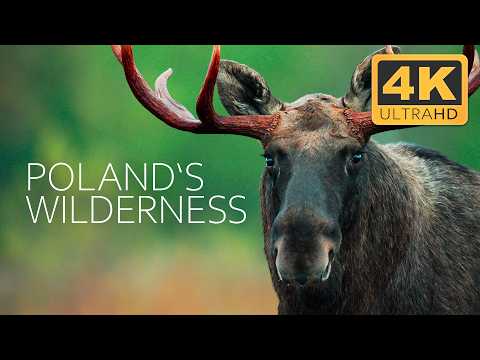
Poland's East, home to one of Europe's last primeval forests, is a sanctuary for diverse wildlife including bison, beavers, and moose. Despite its ecological significance, this wilderness faces threats from modern agriculture and habitat fragmentation. Conservation efforts are crucial for preserving this unique ecosystem and its inhabitants.
Poland's East is one of the last wild regions of Europe, characterized by vast marshlands, dense forests, and endless meadows. This wilderness is home to a wealth of species that have otherwise long since disappeared from much of the continent. However, the survival of these animals, including the black stork, bison, and moose, is increasingly endangered.
In the winter months, Białowieża, one of Europe's last primeval forests, experiences extreme temperatures that can drop to 20 degrees below zero. Only specialized species can withstand such conditions. The European bison, the continent's largest land animal, once roamed widely across Europe but faced near extinction a century ago. Today, all bison in Europe descend from just 12 individuals, thanks to international breeding programs.
During winter, bison form larger herds to search for food beneath the snow. They typically roam in smaller groups during the rest of the year. However, migration between Poland and Belarus was halted in 2021 due to border fencing, raising concerns about the future of these majestic animals.
The Białowieża National Park is not only home to bison but also to beavers and otters, both of which have made a comeback after being hunted to near extinction. Beavers are primarily vegetarians, using their strong teeth to gnaw through wood, while otters are agile predators, hunting fish and other small animals. Their playful nature and adaptability highlight the rich biodiversity of this region.
Wild boars thrive in the lush forests of Poland's East, benefiting from the abundant food supply. Their young are born with striped fur that provides camouflage, and they engage in playful activities that strengthen their muscles for survival in the wild.
As spring arrives, the landscape transforms. Male frogs compete for mates, and the forest floor bursts into bloom. The bison's habitat is crucial for maintaining the ecological balance, as they help shape the landscape by keeping forests open.
The Biebrza River Valley, with its extensive marshlands, is of international significance. It serves as a breeding ground for numerous bird species, including the white-winged tern. However, intensified agriculture around the national park poses a threat to these delicate ecosystems.
Despite the natural beauty and ecological importance of Poland's East, modern agricultural practices threaten its biodiversity. The intensification of farming leads to habitat loss and increased pressure on wildlife.
In 2016, the Polish government authorized deforestation in protected areas, which was only halted by intervention from the European Court of Justice. This highlights the ongoing struggle between conservation efforts and economic development.
In many villages near Białowieża, humans and wildlife coexist peacefully. Bison are often seen in close proximity to human settlements, a stark contrast to the fear and misunderstanding that often surrounds wildlife in other regions.
Conservationists play a vital role in ensuring the survival of these species. The successful reintroduction of bison is a testament to the power of international cooperation in wildlife conservation. However, the future of these gentle giants and their habitat ultimately depends on human actions and policies.
Poland's East is a unique and vital ecosystem that showcases the beauty and diversity of European wildlife. While it faces significant challenges from modern development and agricultural practices, ongoing conservation efforts provide hope for the future. The survival of the bison, beavers, moose, and countless other species depends on our commitment to preserving this last wilderness of Europe.



















