
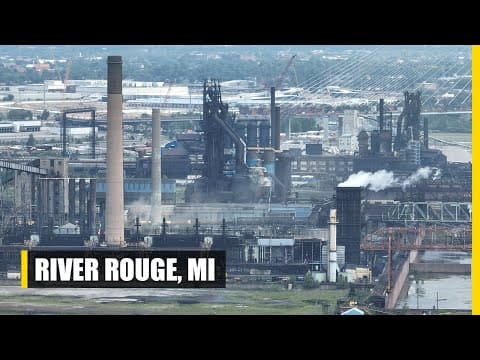
River Rouge, a suburb of Detroit, faces severe economic and environmental challenges, including high poverty rates, pollution, and a declining population. Despite its struggles, the community has unique historical significance and ongoing efforts for improvement.
River Rouge, Michigan, is a suburb located just south of Detroit, known for its significant economic struggles and environmental issues. Once a thriving community, River Rouge has faced a steep decline in population and quality of life. This blog post delves into the current state of River Rouge, its historical context, and the challenges it faces today.
River Rouge is often referred to as one of the poorest suburbs of Detroit. The city has experienced a dramatic population decline, losing over half of its residents since its peak in the 1950s. Today, the population stands at less than 7,000, with a median household income of approximately $26,000, making it one of the poorest cities in Michigan.
The economic landscape of River Rouge is bleak. The area is characterized by high poverty rates, with nearly 44% of residents living below the poverty line. Job opportunities are scarce, and home values are among the lowest in the country, with the median value of owner-occupied housing units at just $49,000. The local economy has been heavily impacted by the closure of industrial jobs, particularly in steel production, which was once a cornerstone of the community.
River Rouge is notorious for its poor air quality, largely due to its proximity to industrial facilities. The now-closed DTE coal power plant, which operated from 1958 until 2021, contributed significantly to the area's pollution. Additionally, the nearby U.S. Steel operations on Zug Island and the Marathon Petroleum facility further exacerbate the air quality issues, leading to higher rates of respiratory illnesses and cancer among residents.
The city is named after the Rouge River, which has a troubled history of pollution. In 1969, the river famously caught fire due to oil spills, highlighting the severe environmental degradation in the area. Although efforts have been made to clean up the river, it remains a site of concern, with officials stating that while contact with the water may not be harmful, the air quality around Zug Island is still dangerous.
Despite its challenges, River Rouge has a vibrant community spirit. The local economy has seen a rise in cannabis stores, which have become a notable aspect of the town's commercial landscape. However, the number of grocery stores has dwindled, leaving residents with limited access to essential goods.
The River Rouge School District has faced scrutiny over financial mismanagement and corruption. The district has been involved in several scandals, including an FBI raid in 2012 and issues surrounding the misuse of Title One funds intended for low-income students. The educational outcomes in River Rouge are concerning, with students scoring poorly in math, reading, and science.
River Rouge was established as a village in 1899 and became a city in 1922. The area was initially agricultural but quickly transitioned to industrial use due to its strategic location between iron ore and coal sources. The Great Lakes Engineering Works and the steel plant on Zug Island were significant contributors to the local economy in the early 20th century.
Zug Island, part of River Rouge, has a rich industrial history. It was once home to numerous steel production facilities, employing thousands of workers. However, as the steel industry declined, so did the job opportunities on the island, leading to economic hardship for many residents.
Today, River Rouge faces an uncertain future. The combination of pollution, economic decline, and a struggling education system presents significant challenges for the community. The local government and residents are aware of these issues and are working towards revitalization, but progress is slow.
In assessing the livability of River Rouge, several factors come into play:
River Rouge, Michigan, is a city grappling with profound economic and environmental challenges. While it has a rich history and a resilient community, the ongoing issues of pollution, poverty, and educational shortcomings pose significant barriers to improvement. As efforts continue to address these challenges, the future of River Rouge remains uncertain, but the spirit of its residents offers hope for a better tomorrow.



















