
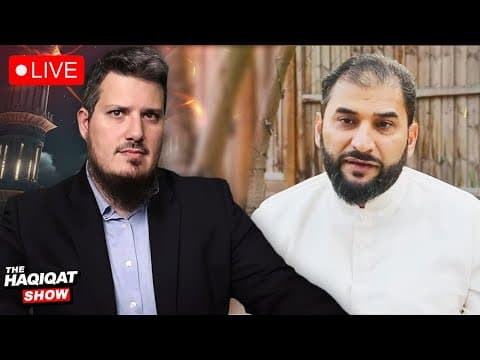
This blog post discusses the complexities of sectarianism within Islam, focusing on the theological differences between Sunni and Shia beliefs, the implications of these differences, and the geopolitical dynamics involving Iran and its influence on Muslim unity. The conversation highlights the importance of understanding these issues in the context of current events and the ongoing struggles faced by Muslims globally.
In this episode of the Haqiqat Show, host Daniel Hau engages in a thought-provoking discussion with respected scholar Adnan Rashid about the intricate issues of sectarianism, theology, and the geopolitical landscape affecting Muslims today. The conversation delves into the Sunni and Shia divide, the implications of sectarian beliefs, and the role of Iran in the broader Muslim community.
Sectarianism has long been a source of division within the Muslim Ummah, leading to infighting and civil strife. Daniel emphasizes that while theological debates are important, they often distract from the more pressing existential threats facing Muslims today, such as genocide and ideological attacks from non-Muslim entities. He argues that the focus should be on unity against these common threats rather than on secondary theological disputes.
Iran's influence in the Muslim world, particularly in relation to its support for Shia groups and its involvement in conflicts such as the Syrian civil war, is a focal point of the discussion. Daniel and Adnan explore the complexities of Iran's role, questioning whether it can genuinely be seen as a protector of Muslims, given its history of violence and oppression against Sunni populations.
The theological differences between Sunni and Shia Islam are significant and often contentious. Daniel argues that many Muslims are unaware of the intricate details of these theological disputes, which can lead to unnecessary divisions. He stresses the importance of focusing on shared beliefs and the core tenets of Islam, rather than getting bogged down in secondary issues.
A key point of contention is the Shia belief in the Imamate, which posits that the imams are divinely appointed leaders with authority over the Muslim community. Adnan argues that this belief undermines the finality of prophethood and constitutes a form of shirk (associating partners with Allah). He emphasizes that the imams cannot be considered superior to the Prophet Muhammad, as this contradicts the fundamental teachings of Islam.
Throughout the discussion, both Daniel and Adnan highlight the necessity of dialogue and understanding between different sects of Islam. They argue that while differences exist, it is crucial to approach these conversations with respect and a willingness to listen. The goal should be to foster unity and cooperation among Muslims, rather than allowing sectarian divisions to deepen.
The conversation concludes with a call for Muslims to unite against common threats and to engage in respectful dialogue about their differences. Both Daniel and Adnan express hope that by focusing on shared beliefs and working together, the Muslim community can overcome the challenges it faces today. The discussion serves as a reminder of the importance of understanding the complexities of sectarianism and theology in the context of contemporary issues affecting Muslims worldwide.



















