This blog post delves into the phenomenon of stigmata, exploring its historical, psychological, and spiritual dimensions. It examines the dual interpretations of stigmata as either divine manifestations or psychosomatic expressions, the suppression of knowledge surrounding them, and their potential as catalysts for personal transformation and deeper understanding of human nature.
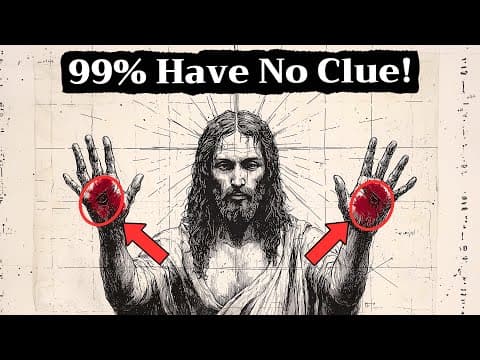
Stigmata are marks or wounds on a person's body that resemble the injuries Jesus suffered during his crucifixion. These mysterious signs, often referred to as The Five Wounds of Christ, appear without explanation, leading many to believe they indicate a deep mystical connection to the sacred. This phenomenon raises profound questions about the nature of suffering, spirituality, and the human experience.
Stigmata can manifest as unexplained bleeding or wounds on the hands, feet, or chest. While some view these marks as divine manifestations, others interpret them as psychosomatic responses to inner trauma. Historical accounts reveal that stigmas have appeared on saints, mystics, and ordinary individuals alike, often during periods of intense spiritual contemplation.
Throughout history, accounts of stigmata have been documented, often suppressed by authorities who preferred to keep such phenomena under wraps. This suppression has left gaps in our understanding of human nature and its hidden potential. The initial curiosity about stigmata often transforms into an invitation to reexamine long-held beliefs and question established dogmas.
The interpretations of stigmata vary widely. Some researchers suggest that these marks serve as channels for higher energy, while others propose that they stem from deep psychological conflicts. This duality creates a striking contrast between the sacred and the scientific.
This ongoing debate fuels passionate discussions, as both perspectives challenge personal beliefs and identities.
Interestingly, some individuals report that experiencing stigmata leads to profound self-reflection and transformation. The physical pain associated with these marks can trigger mystical experiences, prompting a reevaluation of one's life and priorities.
Historical figures like St. Francis of Assisi exemplify how stigmata can catalyze radical changes in behavior and perception. After receiving his marks, St. Francis dedicated himself to caring for the needy, showcasing how suffering can channel inner transformation.
The idea that certain groups possess privileged information about stigmata raises both curiosity and unease. Throughout history, religious and political elites have acted to conceal accounts or silence witnesses of these unique marks. This suppression often aims to maintain control over spiritual narratives and prevent challenges to established beliefs.
The deliberate concealment of knowledge surrounding stigmata has hindered significant progress in understanding this phenomenon. Many believe that controlling knowledge allows those in power to shape how people view life and spirituality, potentially stifling the exploration of untapped human potential.
In recent years, researchers from various fields have approached the phenomenon of stigmata with open minds, exploring the intersection of physical and spiritual realms. Neuroscience studies suggest that chronic pain can induce altered states of perception, while theories from quantum physics propose that certain phenomena might signal a reality that remains largely unexplored.
Alternative and complementary medicine practices, such as acupuncture and Reiki, suggest that the interplay between mind and body goes beyond conventional assumptions. This perspective invites individuals to ponder the true scope of healing and disease processes.
The existence of stigmata, confirmed through accounts and studies, serves as a reminder that not everything fits neatly into conventional categories. Whether viewed as divine signs or psychological phenomena, stigmata provoke deep questions about existence and the potential for personal transformation.
As we explore the space where reason and mystery intersect, we may uncover profound insights about our role as co-creators of our reality. The journey to understand stigmata invites us to look beyond the obvious and consider the hidden dimensions of our experiences, ultimately leading to a deeper understanding of ourselves and our connection to the universe.